





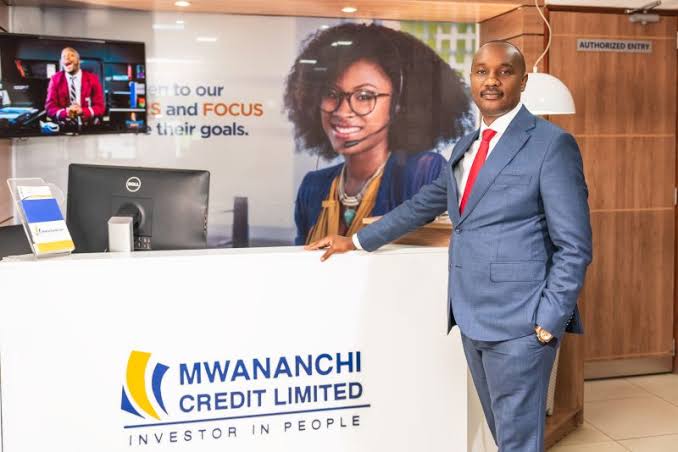

A Nairobi businessman has taken Mwananchi Credit and government agencies to court in a case that once again lays bare the lender’s long-running pattern of aggressive practices that leave ordinary Kenyans trapped.
Bryan Yongo Otumba and his firm Wayaga Construction Company are seeking more than Sh27 million in compensation after a Range Rover used as security for a modest loan was held for nearly eight years, leaving the vehicle damaged and the owner locked in years of legal battles.
The dispute began in November 2016 when Otumba borrowed Sh4 million from Mwananchi Credit. He secured the facility with his Range Rover Autobiography, registration number KCH 856A.
What should have been a straightforward commercial arrangement quickly turned into a nightmare.
The lender applied interest at 10 per cent per month compounded and added a default penalty of five per cent every week.
The original debt ballooned far beyond the principal, a tactic that has become familiar to many borrowers who have dealt with the company.Instead of resolving the matter as a civil disagreement, Mwananchi Credit and its director Dennis Mwangeka Mombo reported Otumba to the police.
He was arrested in October 2018 and charged with forgery, uttering a false document, obtaining money by false pretences and having suspected stolen property.
Otumba insists the criminal case was baseless because the lender had already searched and verified the vehicle’s logbook before releasing the money. Just eleven days after the charges were filed, the same lender opened a civil suit demanding Sh7.49 million.
Critics say this dual approach pushing both criminal and civil pressure has been used repeatedly to force borrowers into submission.
While the criminal case dragged on, the Range Rover remained in police custody as an exhibit. For close to eight years the vehicle sat exposed to the weather and neglect.
Only in July 2026 did the High Court order its release, and even then the actual handover took until mid-August. Otumba argues that the prolonged detention caused serious financial loss and that both the State and the lender must be held responsible.
This is not an isolated complaint. Over the years courts have repeatedly criticised Mwananchi Credit for interest and penalty structures that courts have described as oppressive and unconscionable. In one notable case a Sh7 million loan was inflated to a Sh22 million demand; the High Court cut the claim back to the original principal and ruled that the extra charges were unenforceable.
In another matter judges blocked the sale of lorries after borrowers who had already repaid more than they borrowed were still being chased for large additional sums.
Multiple active lawsuits continue to pile up against the company, with estimates of potential claims running into billions of shillings.
Despite these court rulings and years of public outcry, the latest case shows that the same methods remain in use. Borrowers still report loans that grow at alarming rates, assets that are seized and held for years, and the threat of criminal charges used alongside civil recovery.
For many Kenyans who turn to non-bank lenders when mainstream banks turn them away, the risk of losing vehicles, homes or businesses through such practices remains real.Otumba’s petition asks the High Court to find the State, Mwananchi Credit and its director jointly liable for malicious prosecution, false imprisonment and the unlawful long-term detention of his property.
Whether or not the court awards the full amount sought, the case adds to a growing body of evidence that the lender’s approach has not changed. Kenyans continue to face the same hard tactics that have already been challenged and criticised in earlier judgments.












Add Comment