






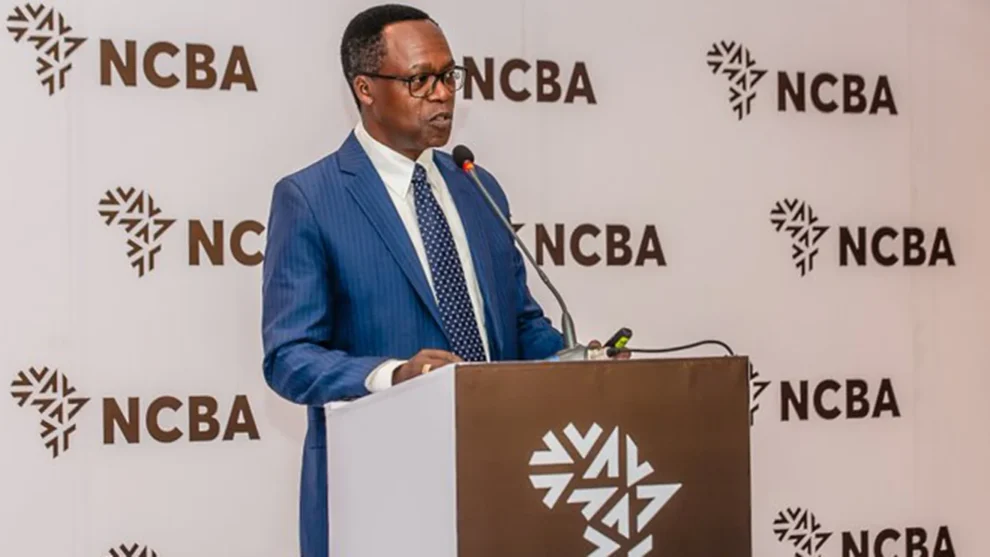

NCBA Bank Group CEO John Gachora has secured High Court orders stopping his prosecution in a Sh363 million fraud case that exposes deep cracks in Kenya’s banking oversight.
The Director of Public Prosecutions had approved charges against Gachora, KCB Group CEO Paul Russo and Co-operative Bank CEO Gideon Muriuki for failing to report suspicious transactions under the Proceeds of Crime and Anti-Money Laundering Act.
The three were due in the Chief Magistrate’s Court on 11 August 2026 to take plea. Justice Gregory Mutai has now barred the DPP and other state agencies from arresting, charging or forcing them to appear until their constitutional petitions are heard.
The case centres on alleged theft of Sh363.4 million from First Assurance Investment Company Limited between May 2018 and April 2024. Former nominated MCA Salim Mohamed Busaidy, a director of the firm alongside Lamu Governor Issa Abdalla Issa, is accused of forging the governor’s signature on company cheques drawn on accounts held at NCBA, KCB and Co-operative Bank.
Prosecutors say he used his position and access to those accounts to withdraw the funds, then acquired assets knowing the money was proceeds of crime.
Busaidy faces 120 counts including conspiracy to defraud, stealing, making documents without authority and acquiring proceeds of crime.
He has pleaded not guilty.
Banks are legally required to flag unusual movements of large sums. Yet hundreds of millions allegedly moved through accounts at three major institutions over six years without the mandatory reports to authorities.
That failure sits at the heart of the charges against the CEOs. Ordinary Kenyans face strict rules when they move even modest amounts.
When similar or larger flows linked to suspected crime go unreported, the public is entitled to ask whether the system protects the powerful more than it protects the law.
The court order is temporary. It does not clear Gachora or his counterparts. It simply pauses the criminal process while judges examine whether the decision to charge them was proper.
In the meantime the alleged fraud remains unpunished at the banking level, and the money is still missing. Kenyans have watched too many high-profile financial cases stall once senior figures enter the picture.
This latest episode raises the same uncomfortable question: when large sums vanish through regulated banks and the top executives face no immediate accountability, who exactly is the anti-money-laundering regime meant to catch?














Add Comment