



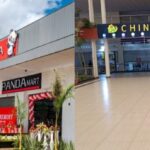

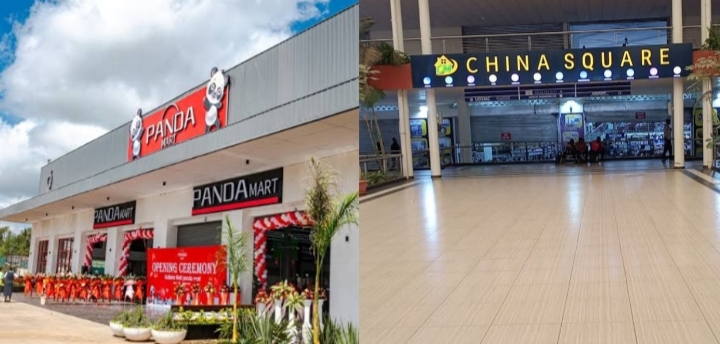

A pattern of regulatory non-compliance has emerged among major Chinese-owned retail chains in Kenya, centered on the sale of consumer goods with packaging that is unreadable to most local shoppers. The issue came to light when a shopper purchased what he believed to be household super glue from a Mia Duck outlet, only to discover after translation that the Mandarin-only label described an industrial adhesive used in construction.
The product’s fumes can cause dizziness and skin irritation without proper ventilation, yet no warnings appeared in English or Kiswahili.
Kenya’s Weights and Measures (Sale and Labelling) Rules of 1999 require all mandatory product information to appear in English, Kiswahili, or both.
The Kenya Bureau of Standards goes further, requiring supplementary labels in official languages where original packaging is not intelligible to consumers.
Despite this, products across China Square, Panda Mart, and Mia Duck stores are being sold with Chinese-only labels while bearing the KEBS Import Standardisation Mark.
When questioned, the three chains offered similar responses: customers unable to read Mandarin should ask staff for translation.
China Square acknowledged that products arrive pre-packaged from Chinese suppliers and that it is in ongoing negotiations to add English text, effectively asking for patience while continuing to sell non-compliant goods.
Consumer representatives have been direct, stating that labeling exists precisely so consumers can understand what they are buying and use it without harm. KEBS has confirmed the practice is illegal and indicated that enforcement actions, including recalls and seizures, are forthcoming.
The issue gains additional significance due to the ownership structure of China Square. While the public face of the chain has been presented as a young Chinese national with a one percent stake, the remaining 99 percent is held by a Kenyan-registered entity controlled by two other Chinese nationals.
This structure was established before the first store opened.
China Square has previously faced regulatory scrutiny. In 2023, it was forced into temporary closure amid trader protests and a threat of deportation of foreign nationals engaged in retail trade reserved for Kenyans.
Goods worth approximately Sh50 million were seized following a trademark complaint, though the case was withdrawn and goods returned within weeks.
The chain has since expanded aggressively across multiple cities.Panda Mart, which entered Kenya in 2024, and Mia Duck, the newest of the three, appear to operate on a similar model.
All three rely on high-volume Chinese imports, undercutting local traders while maintaining labeling practices that fail to meet legal requirements.
China supplied Kenya with a record Sh671 billion in goods last year. Even a portion of these imports moving through retail with non-compliant labeling means thousands of households may be handling chemicals, personal care products, and electronics without adequate safety information.
The key question is whether this round of enforcement will result in sustained action recalls, seizures, and prosecutions or whether the regulatory pressure will subside as it did in 2023, leaving consumers to bear the risk of products they cannot fully understand.













Add Comment