


Federal investigators have stepped up their work in Minnesota as they pursue a complex fraud case that has been quietly unfolding for years.
The focus is now sharper after the FBI sent more agents and resources into the state, signaling that authorities believe the full scale of the scheme has not yet been uncovered. Officials say this move is part of a long-term strategy and not a response to online pressure or public anger.
The FBI Director, Kash Patel, confirmed the renewed push on Sunday evening, December 28. He explained that investigators have been tracking organized fraud networks linked to Minnesota well before the matter attracted wide attention on social media.
According to Patel, the case involves deliberate and well-planned abuse of federal programs that were created to help vulnerable people during the COVID-19 pandemic, especially children who depended on food assistance.
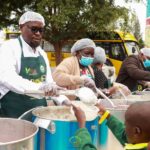
Investigators say those behind the scheme created fake vendors and shell companies to make it appear that meals were being provided to children. In reality, many of these services never existed.
False attendance lists and forged invoices were allegedly used to justify payments from the government. Once the money was released, it was moved through different accounts in an effort to hide its origin and final destination.
So far, the investigation has resulted in 78 indictments and 57 convictions. Prosecutors believe this is only a fraction of the people involved. Financial records are still being examined, and some money trails extend beyond the United States.
The FBI has stressed that fraud involving public funds is a serious priority, especially when programs meant to protect children are exploited for personal gain.
A major part of the case is linked to the “Feeding Our Future” scandal, which is now described as one of the largest fraud cases in U.S. history. Federal prosecutors estimate that about USD 250 million, roughly Ksh32 billion, was stolen during the pandemic.
The money was meant to provide meals to children at a time when many families were struggling.
Court documents show that some of the stolen funds were invested outside the U.S. Kenya has appeared prominently in these findings.
Investigators say luxury apartments in Nairobi’s Eastlands area and high-end properties along the Kenyan coast were bought using proceeds from the fraud. Authorities believe this was done to store wealth and make it harder for U.S. agencies to recover the money.
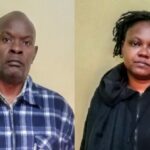
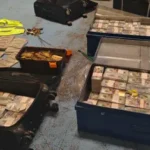
The case has also revealed attempts to interfere with the justice process. One of the defendants, Abdimajid Mohamed Nur, was among those charged with trying to bribe a juror using USD 120,000 in cash.
The plan failed, but it highlighted how far some suspects were willing to go. Those involved later pleaded guilty and received long prison sentences, along with large restitution orders.
Public interest in the case has grown after an independent investigation by American YouTuber Nick Shirley. His undercover work, which showed centers receiving funds without serving children, attracted millions of views. While these claims still need to be tested in court, they have increased pressure on authorities to act swiftly and thoroughly.
At the same time, the investigation has unfolded in a sensitive political climate. Minnesota is home to a large Somali American community.
Civil rights groups have warned against blaming an entire community for the actions of a few individuals. They argue that the focus should remain on accountability, oversight failures, and ensuring such abuse of public funds does not happen again.




Add Comment