








A dispute involving Essie Ohuru has sparked a wider conversation about trust, money and expectations in modern dating after messages allegedly showing a failed meeting circulated online.
According to the account shared alongside the screenshots, a man sent Ohuru KSh1,000 for transport and spent another KSh3,500 on an Airbnb ahead of their planned meeting. The meeting allegedly never happened.
The man later asked for his money back, turning what might have remained a private disagreement into a public dispute.
As the messages spread online, many people took issue with what they believed was an unfair outcome. Their argument was simple. If money is sent specifically to facilitate a meeting and the meeting does not happen, the person who received the money should return it.
The controversy has also brought attention to the term “fare eater”, a phrase used online to describe people who allegedly accept transport money for dates and then fail to turn up.
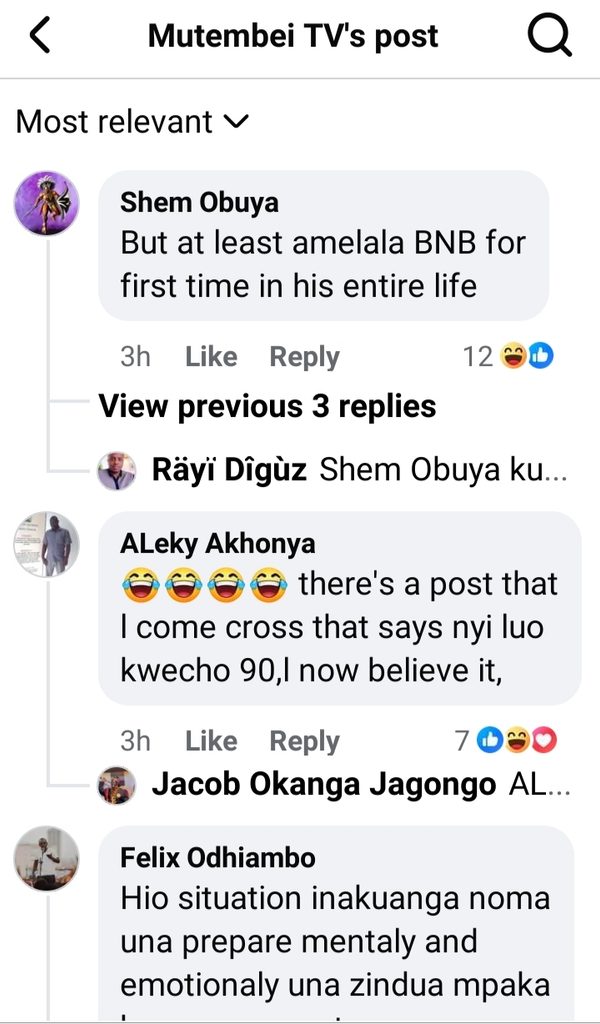
The label is often used harshly, but the behaviour it describes has become a recurring subject of debate on social media.
In Ohuru’s case, the circulating screenshots have shaped much of the public reaction. However, screenshots shared online do not automatically provide the full context of a private disagreement.
What they have done is expose the version of events that has been presented publicly, leaving many users convinced that the man had a reasonable basis for asking for his money back.
The strongest criticism has centred on what critics viewed as an attempt to shift attention away from the money itself.
Rather than debating whether the man should have received a refund, the argument appeared to move towards his conduct and the way he demanded the money.
That did little to satisfy people who believed the central issue was straightforward.
There is also an important point that should not be lost in the online anger. Men can sometimes send transport money with expectations that go beyond simply meeting for a conversation.
A woman is not automatically obligated to meet someone because money has been sent, and no payment should ever be treated as consent to anything beyond the agreed arrangement, but there’s an agreement she should make or refund.
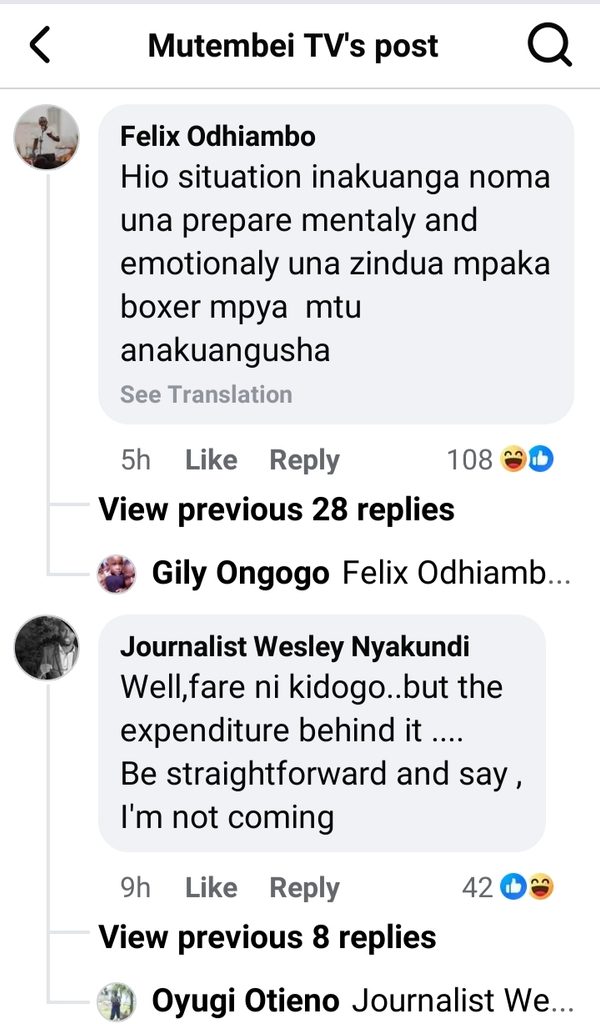
At the same time, accepting money for a specific purpose creates a basic responsibility. If plans change or someone decides not to attend, returning the money can prevent a disagreement from becoming a larger confrontation.
It is a simple step that protects both sides and keeps a private misunderstanding from turning into a public fight.
The dispute has therefore become bigger than the KSh1,000 at the centre of it. It has exposed how fragile trust can be when people arrange dates through social media, exchange money before meeting and then disagree about what was promised.
For many people following the controversy, the lesson is not complicated. Do not accept money under an arrangement you have no intention of honouring.
If circumstances change, communicate clearly and return money that was sent for a purpose that did not happen.
Whether every detail of the dispute has been captured in the screenshots remains a matter for those directly involved. But the public reaction shows why honesty matters in dating and why small financial disagreements can quickly become major reputational battles once they reach the internet.














Add Comment