






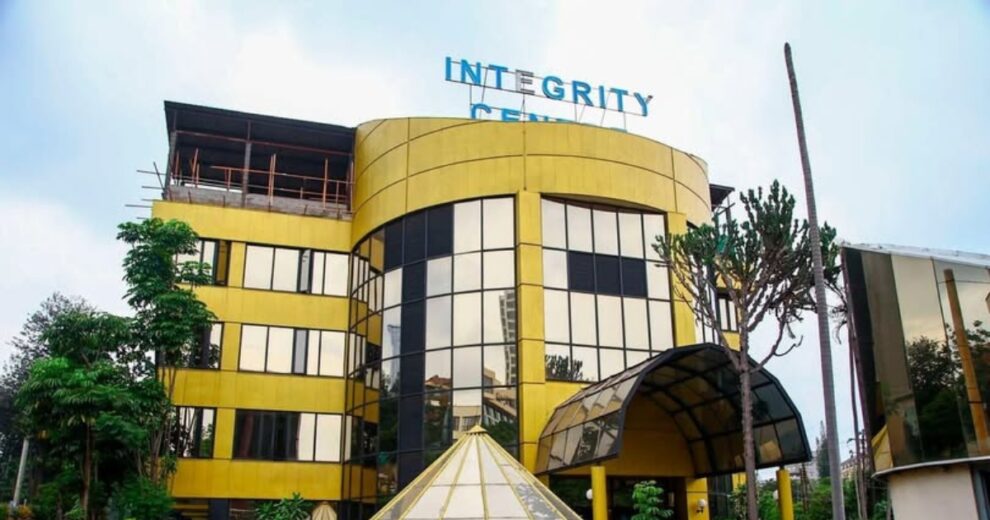

The Ethics and Anti Corruption Commission has reported major gains in the fight against corruption during the 2024 2025 financial year.
A new report shows the agency recovered billions of shillings in illegal wealth and stopped huge losses of public money. The results mark one of the strongest performances in the history of the commission.
According to the report the commission recovered KSh3.4 billion from illegally acquired assets. It also stopped the loss of another KSh16.5 billion through early action and investigations.
In addition the agency identified KSh22.9 billion in unexplained wealth that is now under recovery process.
The report was released by the commission led by Chairperson Dr David Oginde and Chief Executive Officer Abdi Mohamud. The leadership said the gains came from a renewed focus on investigations prevention and asset tracing under the current strategic plan.
During the year the commission received 4,183 complaints linked to corruption and abuse of office.
Out of these 1,846 were found to be valid and taken up for full investigation. This was a sharp rise compared to the previous year and showed growing public trust.
Investigators completed 175 cases and forwarded them to the Office of the Director of Public Prosecutions.
The cases touched on bribery conflict of interest fraud and misuse of public resources across national and county governments.
Several probes uncovered large procurement scandals and theft schemes. Through early action the commission disrupted at least 14 planned corruption deals.
These interventions saved taxpayers more than KSh16.5 billion that would have been lost.
The commission also carried out random integrity checks in public offices. These checks covered institutions such as the Kenya Revenue Authority the Ministry of Lands and the National Police Service.
A total of 152 officers were found to have failed integrity standards. Based on these findings disciplinary action and further investigations were launched.
The agency said the checks sent a strong warning to public officers tempted to abuse their positions.
Beyond investigations the commission strengthened prevention efforts. It issued a practical guide on corruption risk management to public institutions.
New leadership and integrity codes were also developed for state officers and the Judicial Service Commission.
Through the National Integrity Academy the agency trained public officers and reached schools with ethics programs.
The goal was to promote values based leadership from an early age.
The report also highlighted stronger international cooperation. The commission worked closely with African anti corruption bodies and launched a new forum to track stolen assets across borders. Despite the gains challenges such as legal gaps and limited resources remain.









Add Comment