




The government has taken firm action against doctors who publicly claimed to have witnessed or performed miraculous healing of serious diseases during a religious crusade in Nakuru.
Authorities say such claims, especially when made without scientific proof, threaten public health and violate medical ethics.
Health Cabinet Secretary Aden Duale has warned that medical practitioners involved in the testimonies now face possible suspension or loss of their licenses.
He said the Ministry of Health has directed the Kenya Medical Practitioners and Dentists Council to investigate doctors who claimed that patients were healed of conditions such as HIV and AIDS through prayer.
According to Duale, the issue is not faith but professional responsibility, noting that any medical claim must be supported by verifiable evidence.
Speaking on Sunday, January 4, in Eldoret, Duale said licensed doctors are required to uphold strict ethical standards whether they are in hospitals, public forums, or religious gatherings.
He stressed that when doctors make unproven healing claims, they risk misleading patients into abandoning treatment or ignoring medical advice.
Such actions, he said, could lead to serious harm or death and will not be tolerated.The Ministry of Health has instructed KMPDC to carry out a full investigation into the doctors who appeared at the Nakuru crusade.
The council had earlier warned that the healing claims were unverified and could endanger patients.
KMPDC has maintained that serious medical conditions can only be confirmed or cleared through proper tests and documented clinical evidence.
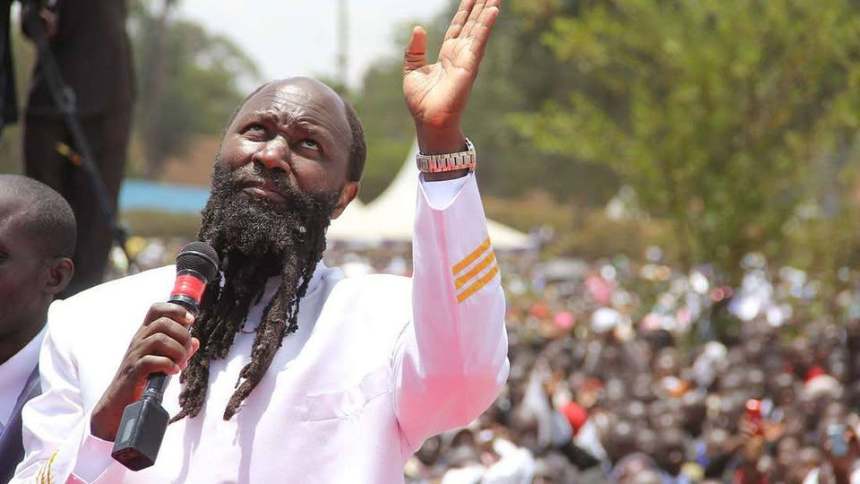
The controversy centres on a self-proclaimed prophet who is also a trained medical professional.
During the crusade, he declared that people living with HIV, as well as individuals with disabilities, had been healed.
These statements were made publicly and widely shared on social media, raising alarm among health experts and regulators.
Medical authorities warn that when doctors promote unverified healing stories, vulnerable patients may stop taking medication or delay seeking proper care.
This undermines public trust in the healthcare system and goes against the duty of doctors to protect life and prevent harm.
The debate has also been shaped by Kenya’s past experience with harmful religious practices. Leaders have cited the Shakahola tragedy, where followers died after being encouraged to reject food and medical care, as a reminder of the dangers of unchecked religious influence.
As a result, there has been growing pressure on the government to act quickly when faith-based claims cross into public health risks.Despite the scrutiny, the church involved has defended the healing claims and welcomed the investigation.
Church officials insist the healings are genuine and medically confirmed, although no public evidence has been presented.
They have called on authorities to release the findings once the probe is complete.
The outcome of the investigation is expected to define clear boundaries between religious expression and medical practice, especially where licensed professionals are involved in public healing claims.





Add Comment