






Fresh concerns have been raised over how Nairobi City County is managing its workforce and spending, after new figures showed that a large portion of its income is going toward salaries and allowances.
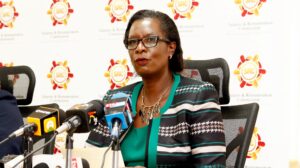
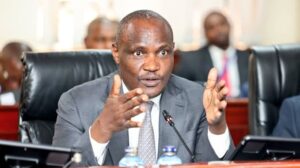
The Controller of Budget, Dr. Margaret Nyakang’o, has now called on the county government to tighten controls on the hiring of contract and casual workers in order to reduce the growing wage bill.
In her first quarter report for the 2025/2026 financial year, Nyakang’o revealed that Nairobi County spent 69 per cent of its available revenue on staff compensation alone.
This translates to about Ksh.4.7 billion used to pay employees within just three months. The report covers the period between July and September, during which the county received a total of Ksh.6.6 billion.
This amount included Ksh.3.4 billion from the national government as equitable share and Ksh.2.5 billion generated locally.
The county’s own-source revenue came from several streams. County-run hospitals contributed Ksh.470 million, while parking fees brought in Ksh.408 million.
Revenue from building permits, unified business permits, and single business permits also performed fairly well, with each generating over Ksh.300 million during the period under review.
Despite these collections, spending on recurrent needs remained high. Nairobi County spent Ksh.5.3 billion on recurrent expenditure, which covered staff salaries, allowances, and other running programmes.
In contrast, only Ksh.202.2 million was spent on development projects, highlighting the imbalance between day-to-day expenses and long-term investments.
Employee compensation alone stood at Ksh.4.79 billion, accounting for 69 per cent of total expenditure during the quarter.
A significant share of this went to the health sector, where workers were paid Ksh.2.03 billion. This represented 42 per cent of the total employee compensation, reflecting the size and cost of staffing in county health facilities.
The county assembly also incurred costs during the same period. A total of Ksh.12.7 million was spent on committee sitting allowances for the 124 Members of County Assembly.
This was drawn from an annual allocation of Ksh.70 million set aside for such allowances.
Operational costs also rose sharply. Spending on operations and maintenance reached Ksh.519.15 million, marking a 207 per cent increase compared to a similar period in the 2024/2025 financial year.
This jump raised further questions about spending controls within the county.
On the development side, the environment and sanitation department took up more than half of the development budget. The report shows that Ksh.75 million was used to purchase a medium tracked dozer with a tipper, with another Ksh.75 million spent on the supply and delivery of a similar machine.
In response to these findings, Nyakang’o urged Governor Johnson Sakaja’s administration to improve payroll management. She wants all salaries processed through the Human Resource Information System to enhance efficiency and accountability. She also called for faster issuance of unified personnel numbers to all staff to ensure accurate and transparent payment of salaries.
The Controller of Budget stressed the need for the County Public Service Board to strictly regulate the hiring of contract and casual workers. She emphasized adherence to the approved staff establishment, warning that uncontrolled recruitment could continue to strain county finances if left unchecked.











Add Comment