






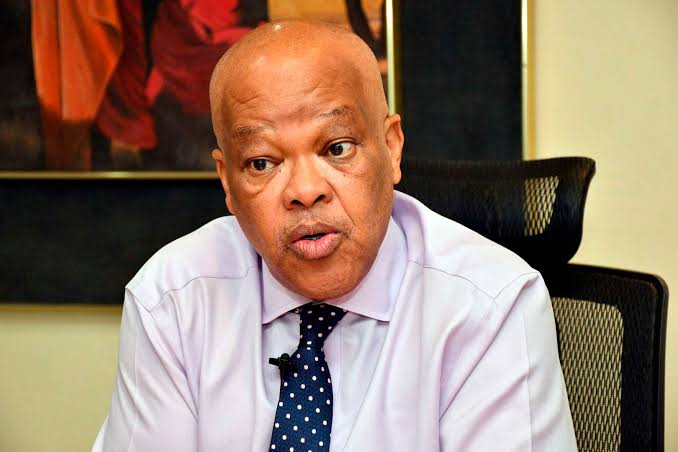

A long-running business dispute has now pushed a well-known Nairobi businessman into the open, turning what was once a quiet legal matter into a public test of responsibility and the rule of law.
John Ngumi, a figure who has for years been associated with power, wealth, and political connections, is facing court pressure over an unpaid debt that has refused to go away.
The case before the Milimani Commercial Courts revolves around a decretal sum of Sh11.4 million owed to businessman Nibrish Chandulal Shah.
This amount is not just the original judgment figure but also includes accumulated interest, execution costs, and court-related fees.
After repeated delays and unmet promises, the court has now taken a firmer position, issuing a notice requiring Ngumi to appear and explain why he has failed to comply with a lawful court order.
According to court documents, Ngumi is expected to present himself before the Chief Magistrate’s Court on April 27, 2026. If he fails to clear the debt or give a convincing legal explanation, the court has the power to move forward with enforcement measures.
These include possible arrest and committal to civil jail, a step courts rarely take but one that remains available under the law when judgment debtors ignore orders.
The application was filed by Harit Sheth Advocates on behalf of Shah under Order 22 Rule 18 of the Civil Procedure Rules. This rule allows the court to summon a debtor and question them directly about their failure to pay.
It also gives the magistrate room to assess whether non-payment is due to genuine financial difficulty or deliberate refusal.
Court filings suggest that patience has run out. Shah has reportedly given Ngumi several chances to settle the matter or agree on a structured repayment plan, but none of these efforts have produced results.
The enforcement application signals a shift from tolerance to action, reflecting growing frustration with what appears to be prolonged non-compliance.What has drawn wider attention is Ngumi’s public image.
For years, he has been viewed as a wealthy businessman with deep connections dating back to the Uhuru Kenyatta administration.
During that period, proximity to political power was often seen as a form of protection, allowing certain individuals to operate with little fear of consequences.
Critics have long alleged that some business figures benefited from influence and privilege, though such claims remain matters of public debate rather than court findings.
In this case, however, the issue before the court is clear and narrow. It is a commercial debt backed by a valid judgment. The court is not trying Ngumi for corruption but is instead asking a simple question: why has a court-approved debt not been paid?
Legal observers note that Kenyan courts are increasingly unwilling to tolerate debtors who appear to live comfortably while ignoring binding judgments.
If the magistrate is satisfied that Ngumi has the means to pay but lacks the will, the law allows for stricter enforcement, including civil jail.
The looming court date places Ngumi at a turning point. Settling the debt would bring the matter to a close. Continuing to defy the order could lead to arrest and a very public loss of status.














Add Comment