







As Tanzania approaches this year’s Independence Day, the mood across the country feels heavy and uncertain. Instead of the usual sense of pride and togetherness that comes with December 9, many citizens are preparing for a day marked by tension and fear.
The government’s unusual advice asking people to remain indoors has changed what is normally a lively national celebration into a moment of deep national reflection.
For decades, Independence Day has been a symbol of freedom, marking Tanzania’s break from British colonial rule in 1961.
Families have gathered in public spaces, watched parades, enjoyed cultural performances, and listened to speeches about unity and progress.
This year, however, those traditions have been put aside. The government has cancelled official celebrations and asked only essential workers to report to duty, while everyone else has been encouraged to stay at home.
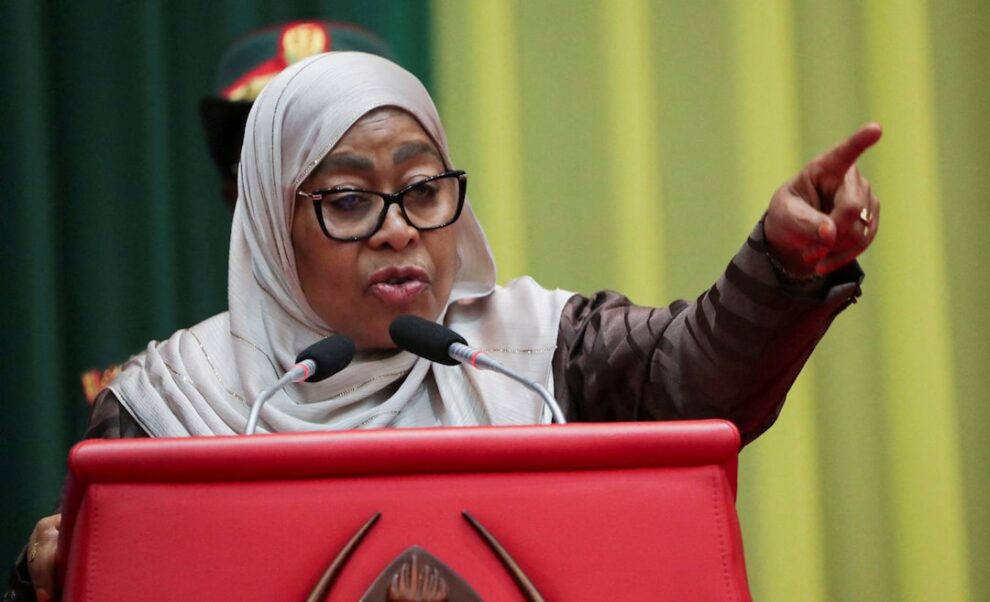
The directive was delivered by Prime Minister Mwigulu Nchemba as part of President Samia Suluhu Hassan’s official holiday message. While the government says the decision is meant to protect public safety, many Tanzanians see it differently.
To critics, it reflects a leadership worried about public anger and growing opposition rather than a nation confidently celebrating its freedom.
Public frustration has been building since the disputed October 2029 general election. Opposition leaders were excluded from the process, and many Tanzanians believe the vote did not reflect the will of the people.
Since then, accusations of state violence, intimidation, and suppression of dissent have become common. Human rights activists claim that peaceful critics have been silenced using arrests, threats, and heavy security presence.
The call for people to stay indoors has come alongside warnings against nationwide protests planned by opposition groups and civil society activists.
These groups say they want accountability for alleged abuses that occurred during and after the election. The government insists the demonstrations are illegal and claims they are being used to create unrest and destabilise the country.
Officials have also accused unnamed groups of paying young people to cause violence, pointing to damage and injuries reported during protests on October 29.
Many citizens, however, argue that the government is using security concerns as an excuse to block peaceful assembly. They say staying indoors on a day meant to celebrate freedom feels like a betrayal of the country’s history.
Instead of unity, the message has deepened mistrust between the state and the public.International concern has also grown. The United States Embassy issued a safety alert for its citizens, warning of possible roadblocks, internet disruptions, and limits on movement.
Non-essential travel was discouraged, and Americans were advised to avoid large gatherings. Beyond safety warnings, the U.S. raised concerns about violence against civilians, limits on religious freedom, and challenges faced by investors.
In late November, the government announced that funds set aside for Independence Day celebrations would be redirected to repair infrastructure damaged during previous unrest. While officials presented this as a practical decision, activists dismissed it as a move to avoid public gatherings that could turn into protests.
Human rights groups and the UN Human Rights Office say they have received credible reports suggesting that hundreds of people may have been killed during and after the election.
The government has strongly denied these claims. Yet people living in affected areas speak of disappearances, night raids, and fear that keeps many silent.
Despite government orders, opposition groups say they will continue with planned demonstrations, calling them a constitutional right.
Tanzanians are left facing an Independence Day unlike any they have known. Instead of public celebration, the country stands at a crossroads, questioning what freedom truly means more than sixty years after independence.







Add Comment