





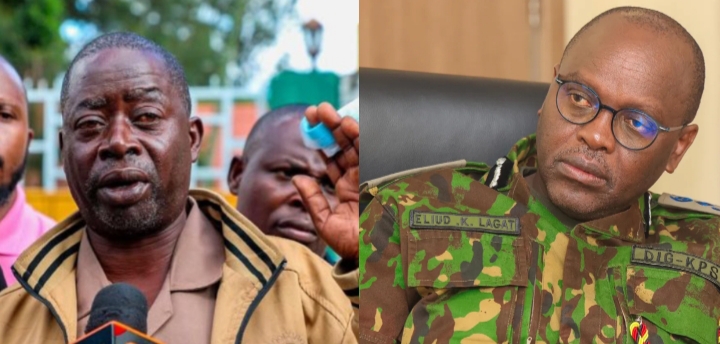

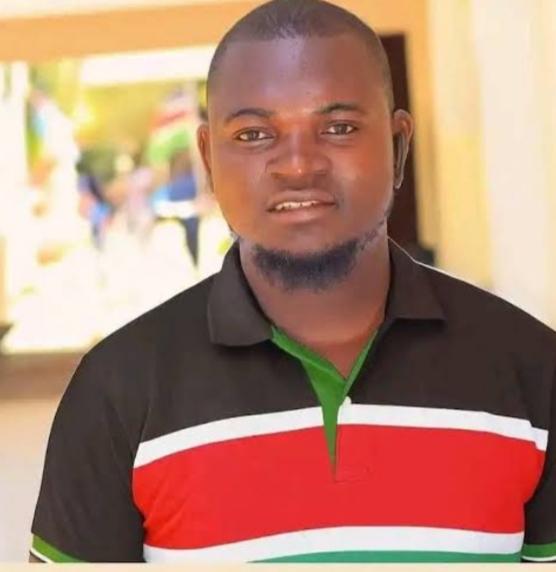
The case surrounding the death of Albert Omondi Ojwang has now taken a new turn as his father pushes for stronger action from the courts.
He believes the justice system has so far failed his family, and he wants the truth about what happened to his son to be addressed openly and without protection for powerful individuals.
His petition describes deep pain, unanswered questions, and what he sees as a deliberate effort to shield a senior police officer from facing responsibility.
In his affidavit, Meshack Ojwang explains that his son was a young man with a bright future who lost his life in circumstances that point to torture while in police custody.
He identifies Deputy Inspector General of Police Eliud Lagat as the one who allegedly ordered the arrest, detention, and torture that led to Albert’s death.
He insists that Albert was a law-abiding citizen who never deserved the treatment he received after being taken away from their home by officers believed to be acting under instructions from the DIG.
According to him, Albert’s only offence was allegedly circulating information that linked the senior officer to corruption within the police service.
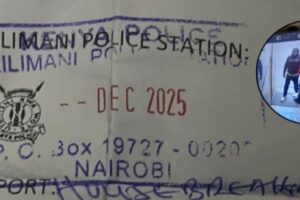
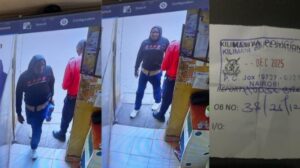
Meshack outlines how officers from the Directorate of Criminal Investigations arrived at their rural home on June 7, 2025, and arrested his son without offering clear reasons.
What followed was a painful and confusing period, as he later learned that Albert had been taken to Central Police Station in Nairobi. He says his son was kept there secretly and subjected to beatings, torture, and humiliation under the orders of DIG Lagat.
The details he provides paint a picture of a young man who went through extreme suffering while in the hands of those meant to protect citizens.
The affidavit states that Albert died from injuries such as blunt force trauma to the head and strangulation. Meshack says a post-mortem confirmed that these injuries were consistent with torture and could not be explained by the claim that Albert took his own life. He dismisses the statement issued by the Inspector General, which said Albert died by banging his head against a cell wall.
To him, this explanation was meant to divert attention and protect senior figures in the security system.
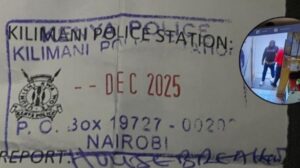
He also raises concerns that even after the post-mortem findings, no attempt was made to investigate DIG Lagat.
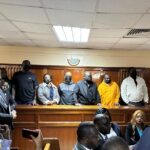
Instead, lower-ranking officers were taken to court in a case filed at the High Court in Kibera. Meshack believes the charges against the junior officers form part of a cover-up scheme designed to divert blame from the senior official he identifies as the real suspect. He argues that these officers were simply following orders and should not be treated as the main culprits.
To strengthen his claims, he refers to Senate proceedings in which DCI officials allegedly stated that Lagat remained the prime suspect. Meshack says this confirms that nothing has been done to clear the DIG in a credible manner.
He now fears that the ongoing trial could end without the real suspect ever facing the law, leaving his family without justice.
Through his petition, he asks the High Court to stop the current criminal trial and give orders compelling the arrest and prosecution of the Deputy Inspector General. He believes this is the only way to prevent what he calls a miscarriage of justice.









Add Comment