






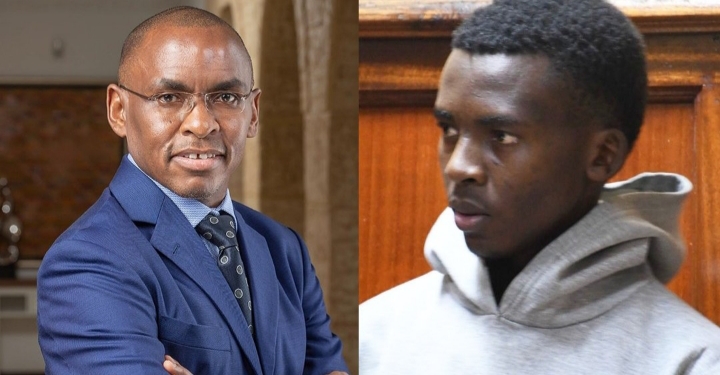

Safaricom CEO Peter Ndegwa is under sharp criticism after the company was exposed in court for releasing the personal details of Moi University student David Ooga Mokaya to investigators from the Directorate of Criminal Investigations.
This information, according to testimony, was central to Mokaya’s arrest and prosecution over online posts concerning President William Ruto. The move has cast Safaricom in bad light, with many questioning whether the country’s largest telecom provider is now more committed to serving state interests than protecting the privacy and rights of its customers.
During a court session, Chief Inspector Bosco Kisau confirmed that Safaricom’s release of Mokaya’s details gave investigators the breakthrough they needed to link the student to the posts.
This cooperation with the state raises critical questions about the role of Peter Ndegwa and his leadership in turning Safaricom into a willing tool for political policing.
Mokaya is being prosecuted under the Computer Misuse and Cybercrimes Act, with claims that his posts were a threat to public order and undermined the presidency.
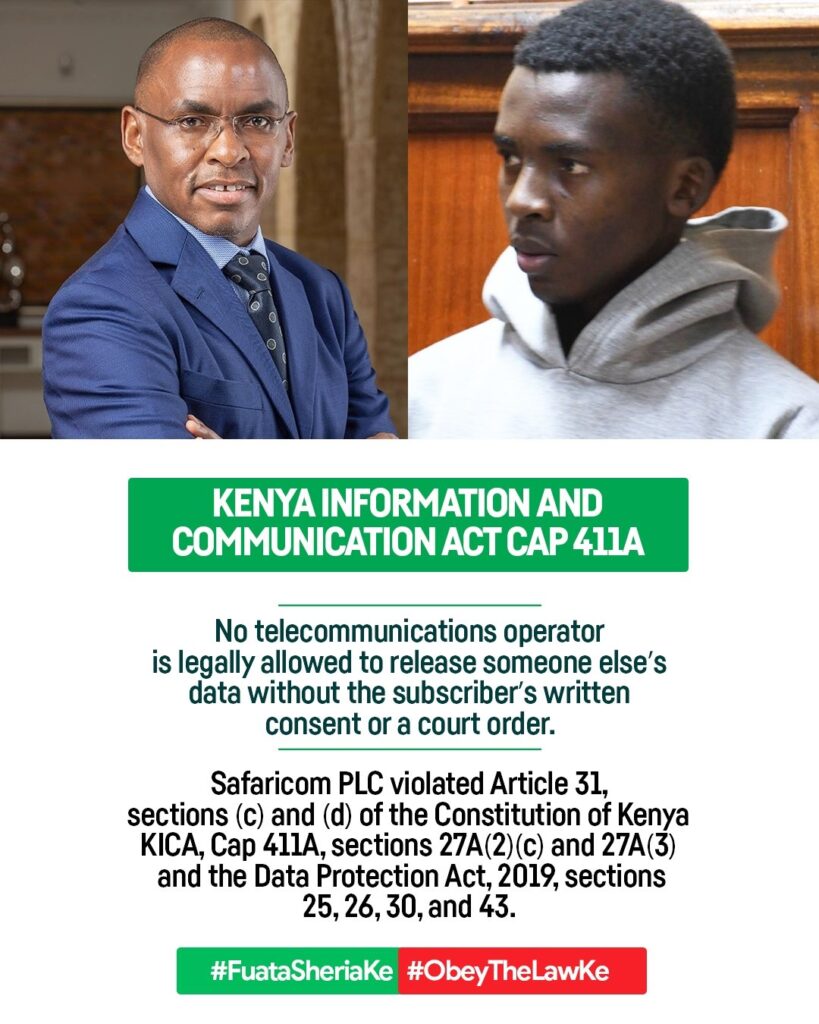
However, to many, the charges appear to be an excuse to punish dissent and silence critics of government, and Safaricom’s hand in the matter only makes the situation worse.
Mokaya has strongly denied the allegations and insists he is a victim of targeted harassment for simply exercising his constitutional right to free speech. What disturbs many Kenyans is how easily Safaricom parted with sensitive data, without a clear demonstration that due legal process such as a court order was followed.
This pattern not only exposes subscribers to state surveillance but also sets a dangerous precedent where a private company is actively involved in arrests and abductions by compromising the very privacy it promises to protect.
Human rights groups have warned that the collaboration between Safaricom and state agencies undermines trust in service providers.
Instead of safeguarding their customers, Safaricom under Peter Ndegwa appears more focused on aligning with state power, even at the expense of basic freedoms. This has created a chilling effect on free expression, where people now fear that their private data can be turned against them at any time.
Safaricom has not given an official response to this case, though in the past it has justified its actions by claiming it only cooperates within the boundaries of the law. But with the public anger growing and Mokaya’s trial now a national talking point, this case exposes how deeply compromised the company has become.
The scandal will likely fuel further debate on whether Kenya’s biggest corporate player has abandoned its duty to protect customers in favor of serving the state’s political agenda.













Add Comment