








Kenya’s political debate is once again turning to the Constitution, with leaders close to President William Ruto pushing for changes they believe will address long-standing challenges in governance.
Their proposal is to hold a referendum at the same time as the 2027 General Election, a move they argue will save costs and ensure that the reforms get the widest possible approval from citizens. While the idea is presented as a practical solution, it has already raised questions about the real motives behind it.
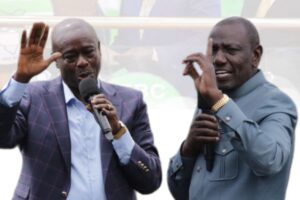
During a church service in Kapsabet, Nandi Hills MP Bernard Kitur voiced strong support for constitutional amendments. He noted that while the 2010 Constitution gave Kenya a strong foundation, its gaps have slowed development and created conflicts in governance.
Kitur insisted that fifteen years is long enough to assess what has failed and what needs change, urging that the referendum process be launched immediately so that the proposals can be presented to voters in 2027.
Nandi Governor Stephen Sang shared the same view, saying Kenya must now reflect on the successes and failures of the 2010 order and adjust the law to better serve citizens.
Both leaders stressed that the goal should be to fix the problems that have stalled progress.
Among the central issues driving the push is the National Government Constituency Development Fund, which has repeatedly been declared unconstitutional by courts.
Many MPs see the fund as essential for projects in their constituencies, and enshrining it in the Constitution is seen as the only way to protect it.
Another concern is the two-thirds gender rule, which has not been implemented since it was introduced. Leaders in Ruto’s camp believe stronger clauses are needed to enforce compliance.
Devolution is also on the table, with debate intensifying after Raila Odinga suggested changes to devolved functions such as education.
This unexpected overlap of interests between government and opposition voices has added weight to the reform calls. Yet, critics warn that behind the promise of reform lies a deeper political strategy.
They argue that combining the referendum with the General Election would not only give UDA the advantage of high voter turnout in its strongholds but also stretch the opposition’s resources, forcing them to campaign on two different fronts.
Analysts believe the move could help the ruling side entrench its political control by shaping the Constitution to align with its governance model.
This, they say, may shift focus away from the economic pressures facing Kenyans, using reform promises as a way to manage political discontent.
Skeptics caution that the country is still adapting to the 2010 Constitution and another referendum so soon could destabilize institutions. They fear that the amendments may reduce checks and balances or give more powers to the presidency.
For them, the timing of the proposal is as important as its content, and they see risks in rushing through reforms without broad consensus.
The referendum debate is becoming louder, particularly in Ruto’s strongholds. What began as quiet suggestions is now shaping up into a major campaign theme. Whether it will deliver meaningful reforms or simply serve political interests remains uncertain, but it is clear that Kenya’s political journey is entering another decisive phase.
The coming years will test not only the strength of the Constitution but also the maturity of the country’s democratic process.










Add Comment