
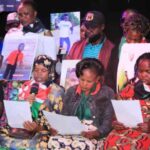

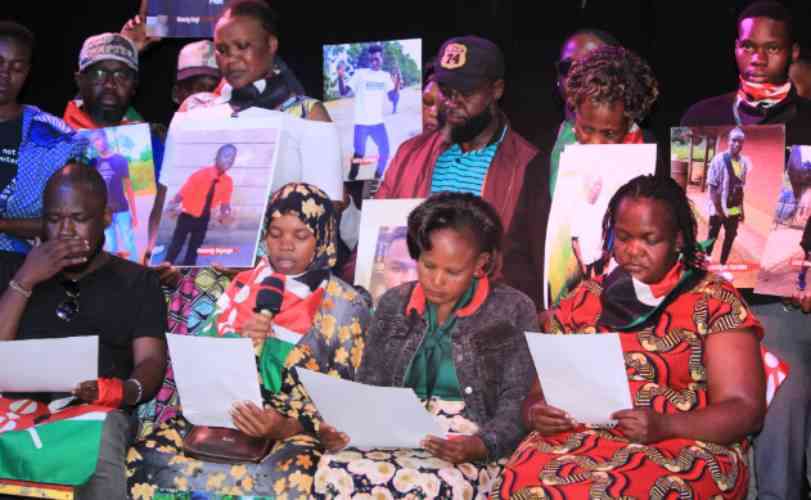

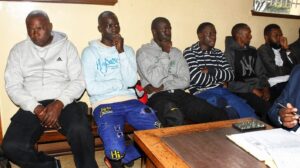
Victims of human rights violations during demonstrations and public protests in Nairobi have called on the government to pursue justice and hold those responsible accountable, saying financial compensation alone cannot address the suffering they have experienced.The victims made the demands on Friday, November 27, during a meeting with the Panel of Experts on Compensation of Victims of Human Rights Violations, which is collecting concerns from people affected by abuses linked to demonstrations and public protests.
The meeting provided an opportunity for victims to explain their expectations and raise concerns about the compensation process, particularly the need for accountability and measures to prevent similar violations in the future.
The panel, chaired by Prof Makau Mutua, acknowledged the concerns and maintained that justice, accountability and comprehensive reparations would guide its work.
It said compensation should not be viewed as the final solution but as part of a broader process aimed at recognising victims’ suffering, restoring their dignity and supporting healing.
“Justice, accountability and comprehensive reparations remain central considerations in our work,” the panel said in a statement issued after the engagement.
Presidential and State apologies deliveredDuring the meeting, Mutua formally delivered both the presidential and State apologies to the victims, acknowledging the suffering caused by human rights violations and their lasting effects on affected individuals and their families.
The apologies are part of the broader National Healing and Reconciliation process, which seeks to rebuild public trust and repair relations between the government and citizens.
The panel said the government remained committed to healing, justice and meaningful reparations, adding that the experiences, dignity and welfare of victims would remain central to its work.
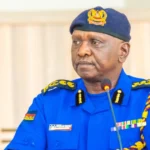
Representatives from the Independent Policing Oversight Authority (IPOA), Kenya National Commission on Human Rights (KNCHR), National Government Administration Officers, civil society organisations and the National Police Service also attended the Nairobi meeting.
Their participation was described by the panel as an indication of a shared commitment to addressing victims’ concerns, strengthening accountability and protecting human rights.
IPOA reaffirmed its commitment to independent policing and accountability, saying it would continue working with the panel to strengthen public confidence in the police service.
KNCHR also pledged continued support, emphasising the importance of putting victims at the centre of the process and ensuring their views were reflected in the panel’s recommendations.
Panel considers reforms to prevent future violationsBeyond compensating victims for past violations, the panel said it was also pursuing legal and institutional reforms aimed at preventing similar incidents in the future.
One of the proposed measures is the draft Facilitation of Assembly, Picketing and Demonstration Bill, 2026, which is being developed through a multi-stakeholder process that includes victims.
The proposed legislation seeks to give effect to Article 37 of the Constitution, which guarantees every person the right to assemble, demonstrate, picket and present petitions peacefully and without weapons.
The panel said involving victims in the development of the proposed law was important because their experiences could help shape legislation that protects constitutional freedoms and addresses concerns arising from previous demonstrations.
It added that direct engagements with victims, their families and beneficiaries would continue to allow them to raise concerns, receive updates on their claims and have their welfare assessed.
The panel also assured those affected that the compensation process would seek to accommodate all eligible victims.
“It is our firm commitment that no eligible victim shall be left behind,” the panel said.
It maintained that continued consultations would provide an opportunity to listen to victims and ensure they were treated with dignity and respect throughout the process.
Regional consultations scheduledThe panel is expected to begin regional visits and stakeholder consultations from November 30 to December 4, covering Nyanza, Central and Western regions.
The planned engagements will involve meetings with victims and discussions on the proposed Article 37 legislation.
The consultations are expected to give more affected people an opportunity to present their concerns and contribute to discussions on compensation, accountability and legal reforms.
The Panel of Experts was established to address compensation for victims of human rights violations, including those arising from demonstrations and public protests.



Add Comment