






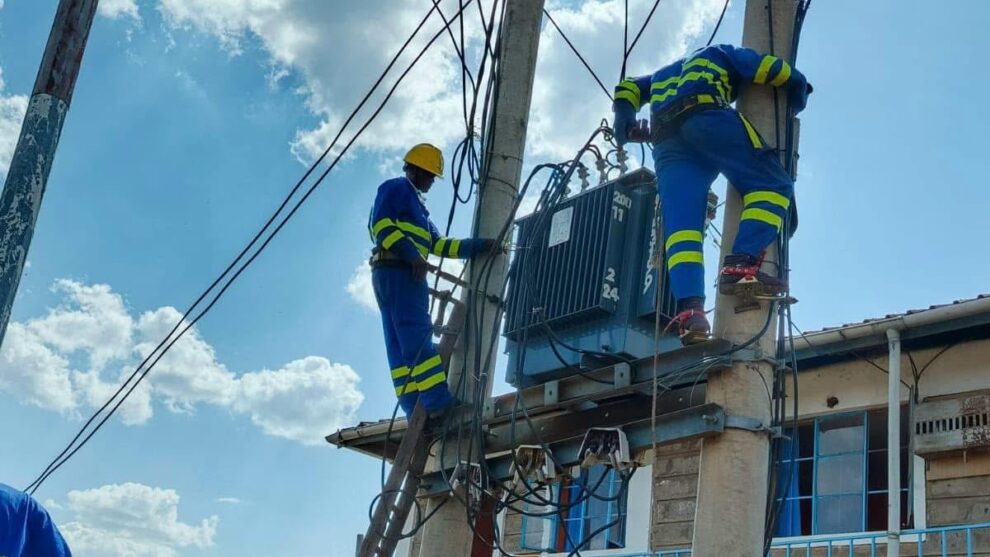

Questions have emerged over the integrity of Kenya Power’s recent internal recruitment exercise following allegations that some employees promoted to technical positions may have obtained their electrical engineering qualifications without attending the required classes or completing practical training.
The allegations have raised concerns about the academic credentials presented by employees who were recently elevated from lower job grades to positions such as craftsmen and technicians.
The promotions reportedly took place about three months ago following an internal recruitment exercise by the electricity distributor.
According to a whistleblower who contacted Nyakundi Report and requested anonymity, some of the employees promoted during the exercise obtained certificates and diplomas in electrical engineering between 2021 and 2025 from various technical and vocational education and training institutions.
However, the insider questioned how the employees managed to complete their studies while maintaining their full-time employment at Kenya Power.
The complaint specifically mentions Siala Technical Training Institute in Migori, Kisii National Polytechnic and Magwegwo Technical Training Institute in Homa Bay.
The whistleblower claims the institutions did not offer electrical engineering courses through evening classes, holiday programmes or part-time arrangements during the period in question.
The insider further alleged that some Kenya Power employees continued reporting for their normal duties, including weekend assignments, overtime work and weekday standby responsibilities, while supposedly attending full-time classes at the institutions.
The whistleblower questioned how the employees managed to meet the academic and practical training requirements associated with their courses despite their work commitments.
More serious allegations were also raised concerning the Kenya National Examinations Council (KNEC) examinations.
The insider claimed that some employees enrolled in the institutions but did not personally attend classes, complete continuous assessment tests or participate in workshop sessions.
According to the complaint, some of the employees allegedly relied on other individuals to sit examinations on their behalf, with assistance from certain heads of departments and examination invigilators.
The allegations have not been independently established, and no findings from an official investigation have been presented to confirm whether the employees involved obtained their qualifications irregularly.
The whistleblower argued that the recruitment exercise could have disadvantaged young Kenyans who spent years attending technical colleges, completing practical lessons and sitting examinations before seeking employment opportunities.
The complaint also linked the alleged recruitment irregularities to wider concerns about the quality of services offered by Kenya Power.
The insider claimed that questionable recruitment practices, corruption, bribery and tribalism were among the challenges affecting the company’s operations.
The concerns have prompted calls for the Ethics and Anti-Corruption Commission (EACC), the Directorate of Criminal Investigations (DCI), KNEC and Parliament to examine the academic documents submitted by employees who secured promotions.
The proposed audit would establish whether the certificates and diplomas presented during the internal recruitment exercise were obtained through the required academic and practical processes.
The whistleblower further suggested that investigations should not be limited to South Nyanza, where the specific examples were raised, but should cover Kenya Power employees across the country.
The matter now raises questions about the verification of academic qualifications during internal recruitment, particularly for technical positions that require specialised knowledge and practical skills.
An independent examination of the allegations would help establish whether the promoted employees met the required academic standards and whether the recruitment process followed the necessary procedures.











Add Comment