





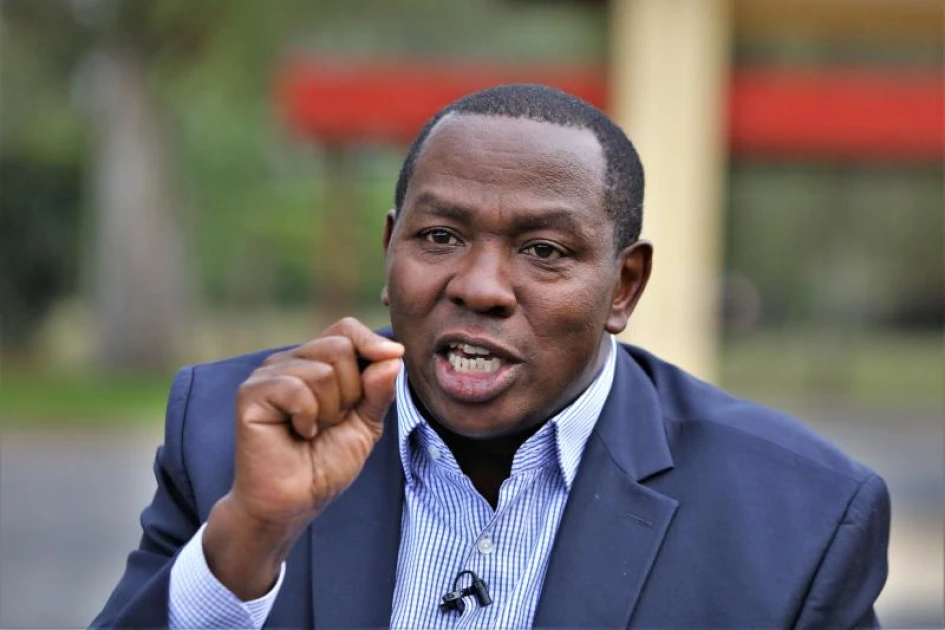

Just days ago, Ndiritu Muriithi stood firm. The Kenya Revenue Authority board chairman looked traders in the eye and told them the new KSh 3.2 million minimum benchmark on consolidated containers was no big deal. It was not a tax hike, he insisted.
The rates in the tariff book had not changed. Traders should simply unbundle their goods at bonded facilities and stop complaining.
The figure was merely a “risk-management reference,” an updated expectation for what a 40-foot container ought to yield.
Then President William Ruto stepped in. Hosting MSME traders at State House on Wednesday, the President ordered KRA to scrap the KSh 3.2 million cap and revert to a lower KSh 2 million threshold.
He directed the Commissioner General to draw up a clear list of high-value items that must be assessed separately.
He further instructed Kenya Railways to slash freight charges for deconsolidation cargo to KSh 10,000 and to rehabilitate the dilapidated Boma facility so traders can clear their goods without unnecessary pain.
In one afternoon, the policy Muriithi had publicly defended was reversed. The man who had told struggling importers to suck it up and de-consolidate was left with egg dripping down his face.
This was not some obscure technical adjustment. The jump from the previous KSh 2.5 million benchmark to KSh 3.2 million an effective 28 per cent rise hit Gikomba, Kamukunji and Nyamakima traders hardest. Shops shut. Protesters marched to KRA headquarters.
Teargas flew. Small businesses that depend on shared containers to keep costs down faced sudden cashflow shocks at a time when every extra shilling counts.
Muriithi’s response was textbook bureaucratic coldness. He framed the change as fairness and revenue protection.
Undervaluation and concealment of high-value goods had to stop, he said. Yet the people bearing the immediate pain were the same small traders the government claims to champion.
There was little public empathy, little acknowledgement of the disruption, just the familiar lecture that the system was right and the complainants needed to adapt.
Now the President has overridden that stance. Ruto’s intervention was framed as cushioning MSMEs from “business shocks.” Whether the original hike was pure revenue protection or overreach, the political reality is clear: when ordinary traders push back hard enough, the numbers move.
Muriithi’s defence of the higher benchmark now looks tone-deaf and out of step with the very administration he serves.
The timing could hardly be worse for a man with political ambitions. Muriithi, former Laikipia governor, has already signalled interest in reclaiming that seat.
Voters in Laikipia and traders across the country will remember who stood with them when the pressure was on and who lectured them instead.
An insensitive public posture followed by a rapid presidential climbdown is not the image of decisive leadership that wins elections.
Kenya’s tax authority must collect revenue. Undervaluation is real. But policy that squeezes the small while the powerful navigate exceptions breeds resentment.
Muriithi chose the hard line. Ruto chose the softer one. The result is a public embarrassment for the KRA chair and a reminder that defending the indefensible in the face of genuine hardship carries a cost.
Traders have been given temporary relief. Muriithi has been given a lesson. Whether he learns it before the next campaign will tell us if he is cut out for the governor’s office he so clearly wants.










Add Comment