







Questions have been raised over governance, leadership and financial management within the Kenya Red Cross Society (KRCS) after staff and stakeholders voiced concerns about the direction of the humanitarian organisation.
The concerns, which have been shared by sources familiar with the institution, point to issues they believe should be independently reviewed to protect the organisation’s credibility and long-standing public trust.
The claims have not been independently verified, and KRCS has not publicly responded to the specific allegations outlined by the sources.
According to a report by Nyakundi, several staff members and stakeholders claim the organisation is facing internal challenges that have affected confidence in its management.
They allege that governance standards have weakened compared to previous years, with concerns being raised about leadership, financial decisions and workplace practices.
Those who spoke on the matter said they believe the issues deserve urgent attention before they affect the organisation’s humanitarian mission.
One of the main concerns relates to the National Executive Committee (NEC). Sources claim that some board members have benefited from fully sponsored postgraduate education funded through KRCS resources at a time when the organisation has reportedly been experiencing financial pressure.
According to the stakeholders, this arrangement could create a conflict of interest because board members are expected to independently oversee the institution’s operations and financial management.Staff members also questioned the organisation’s financial management, claiming that there has been an increasing reliance on short-term employment contracts.
They argue that this has affected employee morale and created uncertainty among workers, with some feeling that long-term career growth within the organisation has become more difficult.
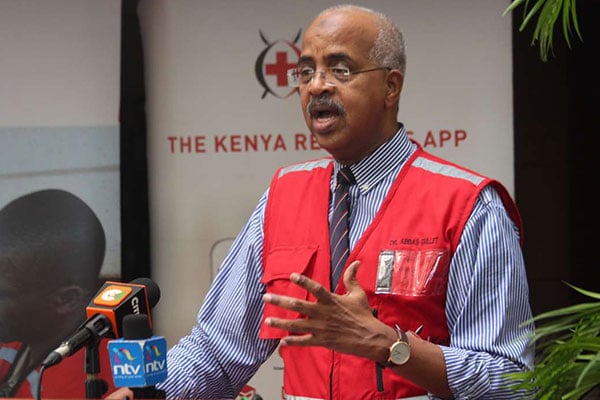
Several stakeholders compared the current situation with the leadership of former Secretary Generals Dr. Asha Mohammed and Dr. Abbas Gullet.
They claimed that during those periods, donor confidence appeared stronger and relationships with development partners were more stable.
Some sources now believe a number of long-time partners are reviewing the level of support they provide, although no official confirmation has been issued by the donors mentioned.
Concerns were also raised about the leadership style of current Secretary General Dr. Ahmed Idris. According to the sources, he has on several occasions delegated attendance at key meetings to deputies instead of being personally present.
Some stakeholders said this has created questions about leadership visibility during an important period for the organisation.
Beyond senior leadership, stakeholders also claimed that experienced employees have continued to leave the organisation while volunteer retention has declined.
They further alleged that favouritism has influenced some internal decisions regarding staff opportunities and career progression, though these claims remain unverified.
Despite these concerns, stakeholders acknowledged the important humanitarian work that KRCS continues to carry out across Kenya.
They said their intention is not to undermine the organisation but to encourage reforms that will strengthen governance and restore confidence among staff, volunteers, donors and the public.
Those who spoke on the matter called for an independent internal review to examine the concerns that have been raised.
They believe such a process would help establish the facts, address any weaknesses where necessary and ensure the Kenya Red Cross Society remains effective in delivering humanitarian assistance to communities across the country.













Add Comment