






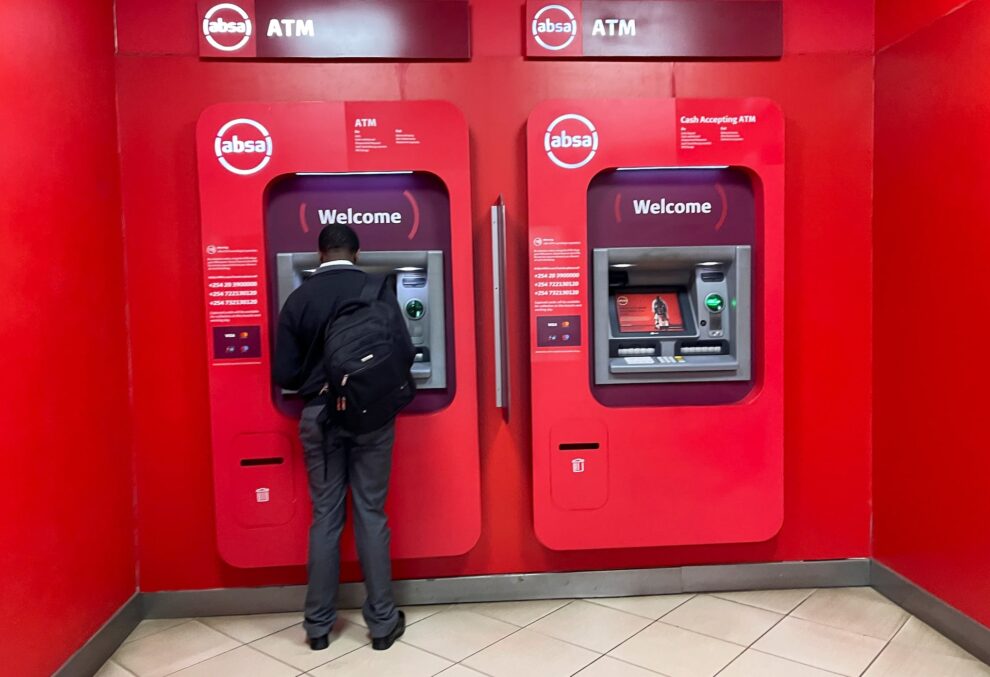

Absa Bank Kenya and its Group Managing Director Kenny Fihla are at the center of growing scrutiny following serious claims of client mismanagement linked to the New Mega Africa Ltd matter.
The situation has exposed weaknesses in how the bank handles corporate clients, manages staff conduct, and enforces internal controls.
As pressure mounts from regulators, courts, and affected clients, the bank is facing one of its most difficult moments in recent years.
The crisis began after allegations emerged that confidential client information was mishandled and that proper procedures were ignored in the management of key accounts. Internal reviews have pointed to gaps in oversight, poor documentation, and failures by staff tasked with handling sensitive corporate relationships.
These issues have placed the bank at risk of lawsuits, regulatory action, and damage to its public image.In response, Kenny Fihla has ordered immediate action against any staff found to have taken part in mismanagement, unethical behavior, or procedural failures.
He has made it clear that accountability is no longer optional and that restoring trust must start from within the institution. His directive has triggered investigations, staff exits, and major changes in how the bank manages high risk client accounts.
One of the most visible departures is that of Sophie Omondi, a former relationship manager based in Mombasa.
She resigned after what she described as intense internal pressure, claiming she was pushed to provide false affidavits despite not handling the New Mega Africa account.
Her exit has raised concerns about staff morale and whether employees are being placed under undue pressure in legal and compliance matters.
Sophie has also alleged that the bank gave negative references to potential employers, linking her to mismanagement claims in the Shakab Tea Exporters case.
The Shakab Tea Exporters matter further highlighted serious operational failures. The company accused the bank of canceling facilities without clear justification, sharing sensitive business information, and demanding kickbacks.
These actions reportedly caused Shakab to lose a major export client and face heavy penalties from industry bodies. Court documents show that large sums of money were mishandled, leading to financial losses for the company.
The court later ruled in favor of Shakab, ordering the bank not to interfere with its business operations.
At the executive level, former business banking director Elizabeth Wasunna was asked to step down following claims of mismanagement and rising litigation risks. She has argued that she was made a scapegoat for wider leadership failures, especially during a period when key departments operated without proper senior oversight.
To stabilize operations, the bank has brought in Renato D’Souza to focus on resolving legacy disputes and closing control gaps.
At the same time, allegations against other staff members, including claims of intimidation, data leaks, and misuse of client information, have intensified concerns about internal vetting and controls.
Regulators such as the Central Bank of Kenya have formally raised concerns, pushing the bank to address governance failures and strengthen compliance.













Add Comment