






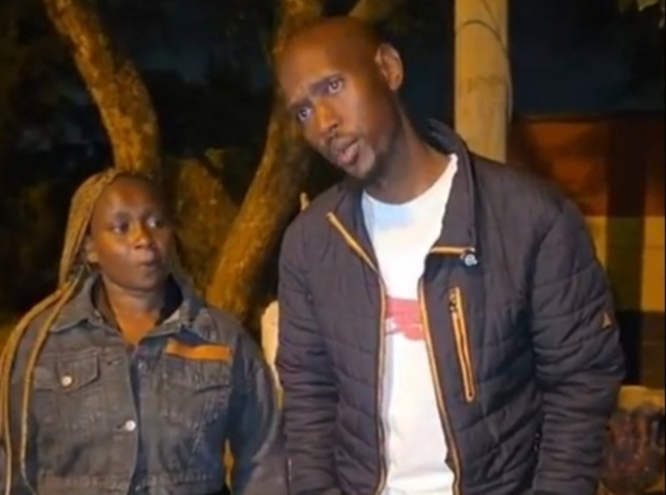

Geoffrey Mosiria has recently found himself at the center of public debate after weighing in on viral incidents that highlight how society treats men and women differently when mistakes happen. These reactions show a worrying pattern where gender, not fairness, shapes public anger, sympathy, and calls for justice in Kenya today.
Across many situations, women are often given excuses when they behave badly, while men face harsh judgment even when they are victims. This difference is clear in how online audiences, activists, and even leaders respond. Instead of focusing on equal responsibility, public debate quickly turns emotional and one-sided, depending on whether a man or a woman is involved.
One recent case involved a 22-year-old woman who appeared in a viral video while drunk, without underwear, and touching a married man in public.
The man later exposed her lack of underwear, and the clip spread widely online. Afterward, the woman apologized and blamed alcohol and possible drug use. Rather than holding her fully accountable for her actions, many people shifted all blame to the man.
Calls emerged for him to lose his job and even his American passport. Influencers and activists pushed campaigns demanding his punishment, while the woman was described as a helpless victim who could not control herself.
Her personal choices were ignored, as if she were not an adult responsible for her actions.
In this case, Geoffrey Mosiria, the Nairobi County Chief Officer for Citizen Engagement and Customer Service, spoke out strongly and called for the man’s arrest, saying his actions were illegal. While the law should be applied where it is broken, Mosiria’s quick involvement raised questions. He has a reputation for jumping into viral issues, often appearing online during crackdowns on noise, street activities, or public disputes.
Many critics argue that he seeks attention more than long-term solutions. In this situation, his focus on condemning the man, while remaining silent on the woman’s behavior, appeared to please the public mood rather than promote fairness. To some, it looked like another chance to stay visible and popular online instead of encouraging balanced accountability.
This is not an isolated case. A few months earlier, another viral video showed a grown woman behaving sexually in public. At first, there was public anger, but it faded quickly. The woman later appeared online crying, claiming confusion or coercion.
The story shifted fast. She was seen as innocent and manipulated, while any men linked to the incident were painted as villains. No lasting campaigns followed, and her responsibility disappeared from the conversation.
Now compare this with cases where men suffer harm. Recently, a man was seriously injured after his wife poured hot water on him during a domestic dispute.
There was little public outrage. No trending hashtags and no strong campaigns demanding justice. Although Mosiria did call for the woman’s arrest in that case, the wider public response remained quiet.
Society treated it as a private issue. In another incident, a nude video of former politician Mukhisa Kituyi was leaked by a woman. The clip circulated widely, but there was no major backlash against her. Kituyi faced public embarrassment, while the woman who leaked the video faced almost no consequences.
These examples show a clear double standard. Women’s mistakes are often softened with excuses like drunkenness, confusion, or pressure, while men are expected to carry full blame or endure harm silently.
Equality means that adults, regardless of gender, are held to the same standard and face the same consequences for their actions.
Public figures like Mosiria risk making this problem worse when they step into viral moments seeking attention. He has previously been criticized and reshuffled in his role, with claims that he uses dramatic interventions to remain relevant online.
Instead of calming debates and promoting fairness, such actions deepen division and weaken trust in leadership.Society needs to change course.
Accountability should not depend on gender. If a woman chooses to drink and behave recklessly in public, she should own that choice. If a man breaks the law, he should face justice.
The same rules must apply to everyone. Without this balance, justice becomes selective, and favoritism replaces fairness. Treating all people as equally responsible is the only way to build a truly fair society.












Add Comment