






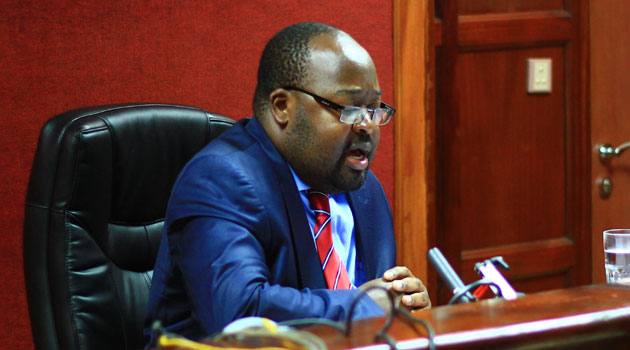

What followed the passing of High Court judge David Majanja shocked many people who knew his family. Instead of unity and calm, his death opened the door to a painful struggle that has slowly torn relatives apart.
A family once known for closeness now finds itself locked in courtrooms, legal filings, and deep personal mistrust.
Justice Majanja died in 2024 while still active in his career. He was widely respected for his calm approach and firm belief in fairness.
He was not married and had no children, but he left behind property, savings, and benefits that quickly became the center of a bitter dispute. Rather than bringing comfort, the estate became a source of anger and division.
At the heart of the conflict is about Sh22 million that remains untouched due to an ongoing court case. The money is tied to a will that some family members accept while others strongly challenge. According to court filings, the will appears to favor the judge’s youngest brother, granting him access to bank accounts, shares, and insurance benefits.
This decision did not sit well with other siblings.
The judge’s father has defended the will in court. He told judges that his son shared a strong bond with his youngest brother and trusted him deeply.
In his view, the decision was intentional and based on responsibility, not favoritism. He believes his late son wanted his younger brother to manage the estate and ensure the parents were taken care of.
However, one of the judge’s sisters took the matter to court, arguing that the will unfairly sidelines other family members. She claims the document gives too much control to one person and ignores the rights of others.
Her legal action led to the freezing of the Sh22 million as the court reviews the will and oversees succession proceedings.
That court order has slowed everything. While lawyers argue and judges review documents, the family remains stuck. Communication has broken down.
Some siblings no longer speak directly and rely only on lawyers. Family meetings no longer happen, and mistrust has grown stronger with time.
Questions have also been raised about the will itself. Some relatives doubt whether it truly reflects Justice Majanja’s final wishes. Others insist it is genuine and legally sound.
Each side has filed affidavits accusing the other of dishonesty or selfish motives.As the case drags on, the parents have suffered greatly. Both are elderly and face health challenges.
They depended on their son for medical care and daily support. Since his death, and with the estate frozen, they say life has become extremely difficult.
Hospital bills have piled up, and stress has taken a toll on their well-being.
The father has publicly expressed frustration with the slow legal process. He says he approached the judiciary asking for temporary help from the estate funds but received no relief.
Out of desperation, the parents even wrote to the Chief Justice, pleading for urgent action and compassion.
Legal experts say such cases are common in Kenya. Succession disputes can take years, especially when families fight aggressively. During that time, dependents often suffer as courts focus on procedure and verification.
Justice Majanja spent his life resolving disputes for others. Sadly, his own legacy has become a painful reminder of how money and mistrust can tear even the closest families apart.













Add Comment