






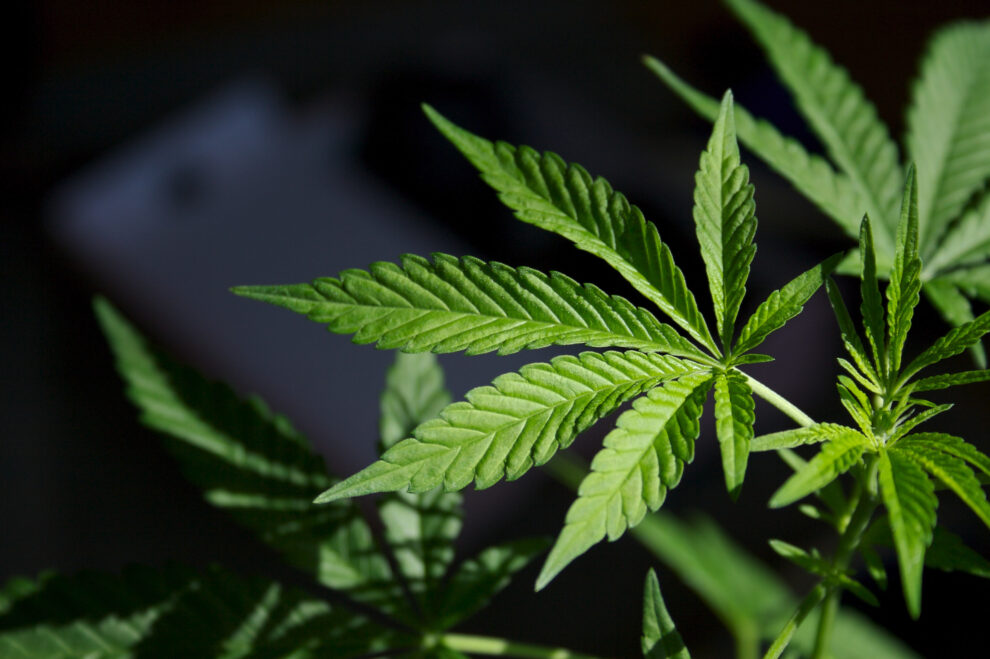

A long-running court case on the use of Cannabis Sativa, commonly known as bhang or marijuana, has taken a new turn after the High Court adjusted key dates for its hearing and final decision.
The petition, which challenges the current laws that criminalise marijuana, will now be fully heard and determined within the first three months of 2026.
The matter is being handled by Justice Bahati Mwamuye, who issued fresh directions after one of the respondents asked for more time. The National Authority for the Campaign Against Alcohol and Drug Abuse requested additional days to prepare and respond to the issues raised in the petition.
The court allowed this request, leading to the rescheduling of both the hearing and the judgment date.
Under the new timeline, the hearing of the petition will take place on January 30, 2026. The judge also gave clear instructions on when all parties involved must submit their written arguments. The petitioners were ordered to file and serve their submissions by February 12, 2026.
The respondents, on their part, must submit theirs by February 17, 2026. After that, the petitioners will be allowed to respond to any issues raised by the respondents through rebuttal submissions, which must be filed by February 20, 2026.
Justice Mwamuye also changed the date that had earlier been set aside for delivering the judgment.
The previous date of March 12, 2026, was cancelled and replaced with a new one. The court will now deliver its judgment on March 19, 2026, at exactly 12 noon.
The judge stressed that this date was final and would not be changed under any circumstances.
During the session, the judge made it clear that he wanted the case concluded without further delays. He said the matter must be heard and decided within the first quarter of the year. He warned all parties, including petitioners, respondents and interested groups, that there would be no more adjournments.
According to him, everyone involved has enough time to prepare and present their arguments.
Another important issue raised in court concerned the treatment of the petitioners outside the courtroom.
The judge called on the government to guide police officers to stop any alleged harassment of those involved in the case.
This followed complaints by the petitioners’ lawyer, Shadrack Wambui, who told the court that members of the Rastafari community were being targeted by police after their identities became public through the petition.
The petition itself was filed by Rastafarians who are asking the court to allow the use of marijuana for specific purposes. They want Cannabis Sativa to be legalised for religious, spiritual and medicinal use.
They argue that the current law, which treats marijuana as an illegal drug, violates their constitutional rights, especially the right to worship freely.
According to the petitioners, marijuana holds deep religious meaning in the Rastafari faith. They describe it as a sacred sacrament used during meditation and reasoning sessions. They believe it helps them connect spiritually with their creator, whom they refer to as Jah.
The court’s decision in March is expected to give clear direction on how the law balances religious freedom with existing drug control laws in the country.












Add Comment