






A case has been taken to the High Court to challenge the widespread practice of playing loud music in public service vehicles, with claims that it harms commuters and breaks the law.
The petition argues that many passengers are forced to endure excessive noise during their daily travel, even when they do not want such entertainment.
The petition was filed by lawyer Samwel Barongo Nyamari, who has named the Matatu Owners Association, the National Transport and Safety Authority, the National Environment Management Authority, and the Attorney General as respondents.
He accuses these bodies of failing to protect the public from what he describes as cruel, deafening, and disturbing noise that is often passed off as music in matatus.
According to him, the problem has gone on for years without proper action from regulators.
Nyamari explains that loud and unwanted music in public transport is not just a minor annoyance but a serious issue that causes psychological distress and noise pollution. He says it affects everyone, but the impact is worse on vulnerable groups such as children, the elderly, the sick, and people living with autism.
In his view, forcing passengers to listen to loud music amounts to psychological torture, especially when there is no way to escape it once the journey begins.
In his petition, Nyamari states that he has been a regular matatu user in Nairobi for more than six years. During this time, he says he has repeatedly been exposed to extremely loud music whenever he boards public service vehicles.
He argues that matatu operators play music without considering the needs or comfort of passengers like babies with sensitive ears, older people with hearing problems, tired workers heading home, or commuters who may need a quiet space to make phone calls.
Another key issue raised is the lack of choice and information for passengers. Nyamari says commuters are not warned in advance that a vehicle will play loud music. This means passengers cannot make informed decisions about the transport services they use, even though they are paying customers.
The petition argues that this practice violates several constitutional rights. It points to Article 42, which guarantees the right to a clean and healthy environment, noting that excessive noise is a form of environmental pollution.
It also cites Article 29 on the right to freedom and security of the person, arguing that loud music causes psychological harm and amounts to inhuman treatment. In addition, the petition refers to Article 46 on consumer rights, stating that passengers deserve services of reasonable quality and clear information.
Nyamari also links loud music to health risks, saying long exposure can harm hearing and mental well-being. He warns that children, older people, and those with sensory sensitivities face the greatest danger. Based on these concerns, he is asking the court to declare the playing of loud music in public service vehicles unconstitutional and to ban the practice completely.
He has further asked the court to order NTSA, NEMA, and the Attorney General to enforce the ban if granted. He argues that these agencies have failed to control the problem despite how common it has become.
The court has not given directions on when the case will be heard or decided.
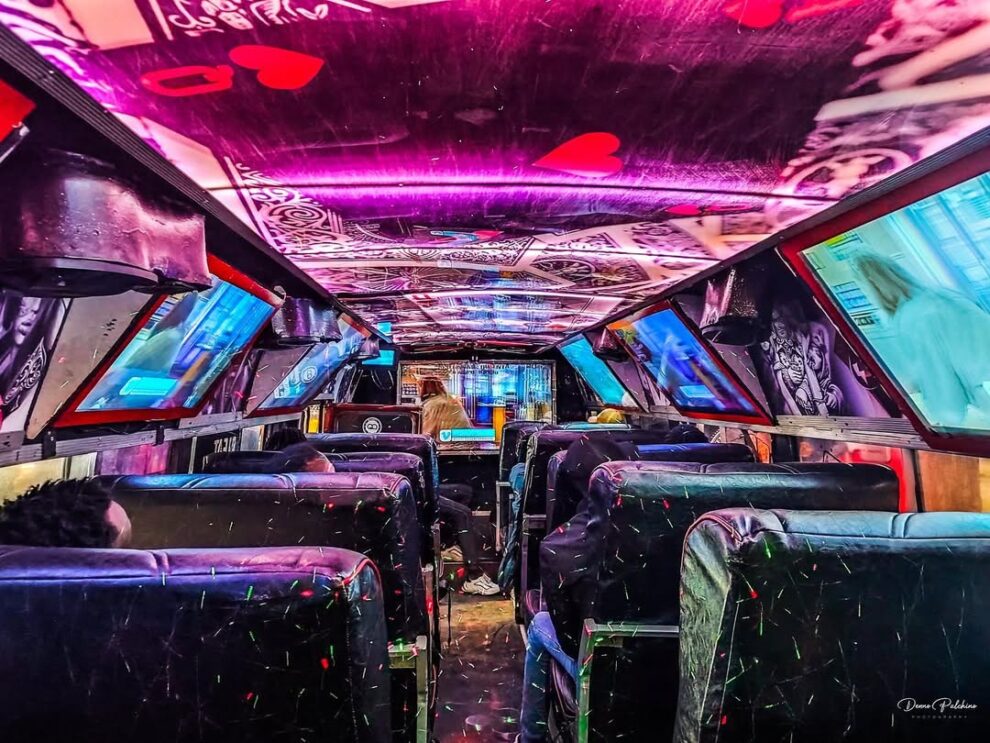
The issue is closely linked to the rise of modern matatus known as nganya, which are popular among young people. These vehicles often feature loud music, flashing lights, and large screens, turning public transport into a moving club for some, while others see it as an uncomfortable and harmful experience.










Add Comment