






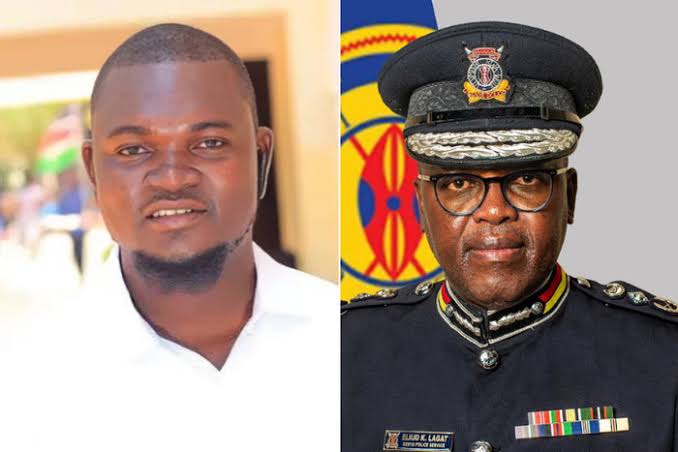

The death of a young teacher and blogger while in police custody has continued to trouble many Kenyans, especially after a new court decision slowed the search for justice.
The High Court has now stopped the murder trial of three police officers linked to the death of Albert Ojwang, saying the case cannot move forward without key CCTV footage from the Central Police Station where he was held.
This decision has deepened public concern and strengthened claims that there may be a wider effort to hide the truth.
Albert Ojwang died in June 2025 while under police watch in Nairobi. His death shocked the country because of the serious questions it raised about how suspects are treated in custody.
Ojwang was 31 years old, worked as a teacher, and was known for writing blogs that spoke about social and political issues.
He was arrested from his rural home on June 7, 2025, following an online post that police said damaged the reputation of Deputy Inspector General Eliud Lagat.
Soon after his arrest, police reported that Ojwang had taken his own life inside a cell. This explanation did not last long. A post-mortem later showed that Ojwang died from severe injuries caused by torture.
The report described head injuries and signs of strangulation, ruling out suicide and pointing instead to violence by those who were holding him.
Following these findings, three police officers were charged with murder, including former Central Police Station boss Samson Taalam. The case began in a lower court, with the Independent Policing Oversight Authority preparing to call dozens of witnesses.
However, the High Court later paused the trial, saying it could not continue without the missing CCTV footage from the police station.
The court also asked prosecutors to reduce the number of witnesses to speed up the process once the case resumes.
For Ojwang’s family and supporters, the pause in the trial feels like another delay in a system that already seems stacked against them.
His father, Meshack Ojwang, has openly accused senior police leaders, especially DIG Eliud Lagat, of playing a role in his son’s arrest and death.
He argues that the arrest followed a complaint by Lagat about a blog post that accused him of corruption. Meshack has told the court that powerful people are being protected while junior officers take the blame.

Although Lagat stepped aside briefly during investigations, he was cleared and returned to office in July 2025 move looked more like a short break than real accountability.
There are also questions of how critical evidence, such as CCTV footage, could go missing from a major police station. Other concerns include claims about the handling of Samson Taalam’s phone, which some believe may have contained important information linking senior officers to the case.
Public anger has not faded. Human rights groups, activists, and many Kenyans online continue to demand answers and accountability.
They see Ojwang’s death as part of a wider pattern where police violence and deaths in custody rarely lead to justice, especially when senior figures are involved.
For Meshack Ojwang and his wife, the pain is deeply personal. Albert was their only child and their main support in old age. They say their greatest wish is to know the truth and see everyone responsible face the law.













Add Comment