





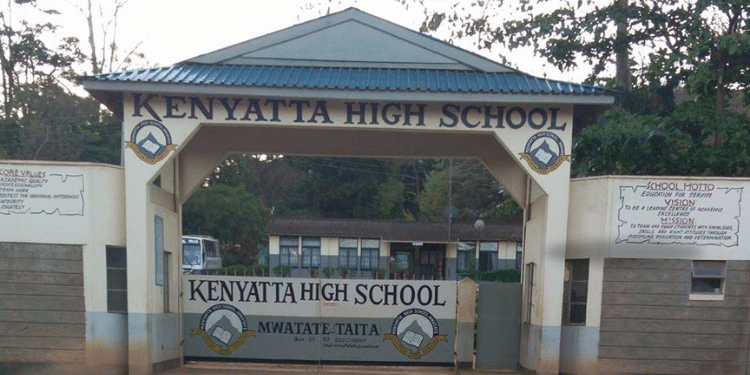

What is unfolding at Kenyatta High School in Mwatate is a clear case of tribalism taking centre stage in a public institution that should stand for national unity.
This is no longer a private grievance shared in corners. It is an open confrontation that now threatens learning, order, and the future of the school.
The problem did not start with poor results, corruption, or abuse of office. It began the moment a new principal took charge.
Dominic Maingi was posted to the school through official Ministry of Education procedures like any other head teacher.
His arrival should have been routine. Instead, it sparked hostility because he comes from the Kamba community rather than the local Taita community.
From that point, the conversation shifted away from professionalism. Some local leaders and voices in the community branded him an outsider.
They openly questioned why someone from another community should lead a major school in the area. The argument stopped being about how the school is run and turned into a debate about ethnicity and entitlement.
Political involvement made the situation worse. Leaders who should promote national cohesion have chosen to back ethnic pressure. By doing so, they send a dangerous message that public offices belong to communities rather than the country.
This approach weakens institutions and encourages division.Inside the school, divisions have also grown.
A section of teachers has joined the calls for the principal’s removal. While they raise administrative complaints, the ethnic context surrounding the dispute cannot be ignored. The timing and tone of the objections point to deeper issues than management style.Several allegations have been raised against Maingi.
Critics accuse him of irregularly engaging a handball coach known as Juma. They question why this individual supervises some subordinate staff.
They complain that construction and painting works during the December holiday did not prioritise local workers. They also raise concerns about the expansion of the principal’s office.
Other accusations include claims that he moved too fast in reorganising school structures, placed people he trusts in key positions, and kept students in school during the December break without proper communication.
Some teachers say the academic department was restructured in a way that caused anxiety and fear of transfers.
All these matters deserve proper review. If mistakes were made, there are clear systems to address them.
The Teachers Service Commission, school boards, and the Ministry of Education exist for this purpose. What is happening now ignores due process and replaces it with ethnic mobilisation, which is dangerous.
Kenya has seen the consequences of this behaviour before. At Moi University, a competent vice chancellor was pushed out because he was labelled an outsider. Political pressure overrode professionalism.
Today, the institution struggles with instability, declining standards, and constant unrest. The leader who was rejected went on to succeed elsewhere, while the university declined.
At Kenyatta High School, political pressure continues to fuel tension. One local MP has openly pushed for the principal’s removal, emboldening hardline voices. Another leader who could calm the situation has chosen silence.
This silence only deepens the crisis.Students are the biggest victims in this conflict.
They need focus, stability, and guidance. Teachers need a calm working environment. Parents want results, not endless drama. When tribalism takes over a school, everyone loses.
Public schools belong to all Kenyans. Leadership should be based on ability and integrity, not tribe or place of birth. If the current path continues, Kenyatta High School risks long-term damage that will take years to repair.
The country must choose professionalism over ethnicity. The cost of choosing otherwise is already written in history.










Add Comment