






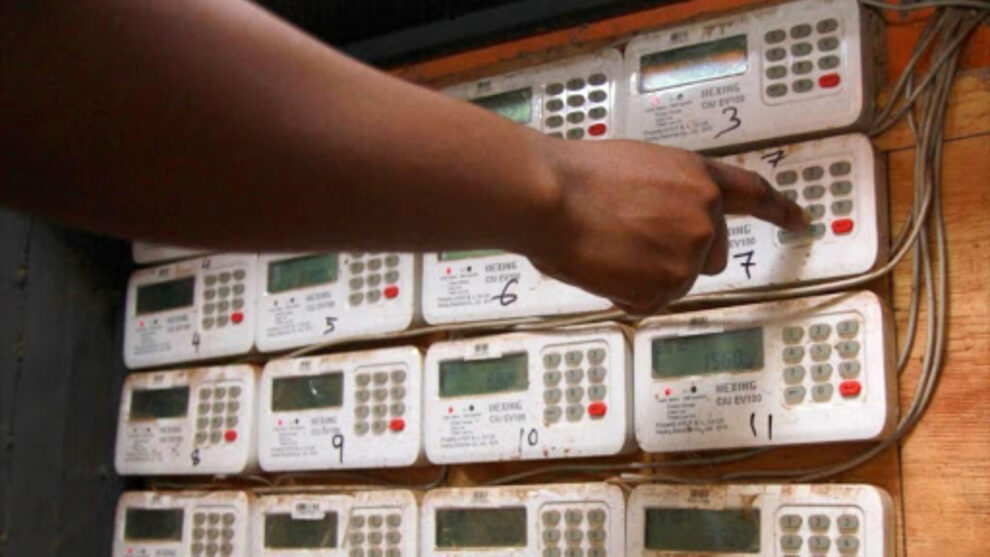

For many Kenyan households, prepaid electricity was introduced as a solution that would make power use easier to understand and manage.
The idea was simple. Buy tokens, use electricity, and avoid surprise bills. However, for a growing number of consumers, this promise is no longer being met. Instead, frustration is rising as users question how the system works and whether it is fair.
Across different parts of the country, consumers are raising concerns about how Kenya Power handles prepaid meters, especially when things go wrong.
One of the most common complaints involves stolen or faulty meters. Many users say that when a meter is stolen or develops a fault, they are charged the full replacement cost. This is happening even in cases where the loss is clearly beyond the customer’s control. Families feel punished twice.
First by losing access to electricity, and then by being asked to pay large sums to restore a service they did not misuse.
Another issue causing confusion is the way token balances are handled after meter replacements. Some consumers report that electricity units they had already paid for seem to reduce without warning.
In several cases, deductions are applied long after a meter has been replaced, sometimes months or even years later.
These deductions are often made quietly, without clear communication, leaving households struggling to understand why their power runs out sooner than expected. For families trying to plan their monthly expenses, this uncertainty makes budgeting very difficult.
The rising cost of prepaid meters has also become a major concern. Consumers say prices have increased sharply, with some reporting jumps of tens of thousands of shillings.
This increase has hit ordinary households the hardest, especially those already dealing with high living costs.
Many people feel that there is little transparency on how these prices are set, and they question whether proper oversight exists to protect consumers from sudden and unexplained hikes.
There are also complaints about unexplained debits linked to meter errors or replacements. Some households say that after a meter is changed, tokens they buy later do not give the full value of electricity. Units appear to be missing, even though payment was made correctly. This has led to suspicions of system inefficiency or poor record keeping. So far, Kenya Power has not clearly addressed these claims in public, which has only increased public distrust.
One consumer, who asked to remain anonymous, shared his experience to explain what many others are facing.
After his meter developed a fault and was replaced, he later noticed that the electricity units he had already bought were reduced.
This meant his family received less power than they paid for. To try and fix the issue, he was forced to make repeated visits to Kenya Power offices, something he believes should not be necessary if the system worked properly.
“Hello Cyprian. Hope you are fine. Just wana know kama ushawahi ongea kuhusu KPLC? People are conned na hii company.(1) The prices of prepaid meters zimeshoot mbaya sana from 0 – 23k.
(2) Stolen meters are also charged 17,400; imagine you have been stolen from, so inabidi tu uachane nayo na mwizi anapeleka kuuza kwingine. Just imagine umeibiwa meter 10?!! That’s 174,000/=
(3) After replacing a faulty meter, they debit you like 100 units, and sometimes even when you have tokens left. If your meter has been replaced kuanzia 2021, then right now they are debiting it. Uki purchase tokens za 500, you will get za 400.”
Stories like this reflect a wider problem. Many consumers feel powerless in a system that was supposed to give them control.
Until clearer explanations, fairer policies, and better communication are put in place, confidence in prepaid electricity will continue to weaken.













Add Comment