







A legal dispute touching on environmental protection and tourism development in the Maasai Mara will continue after the court declined to allow its withdrawal.
The Environment and Lands Court ruled that the petition challenging the operation of the Ritz-Carlton Safari Camp Lodge in the Maasai Mara Game Reserve raises serious public interest concerns that must be fully examined before any final decision is made.
The case was filed by environmentalist Meitamei Olol Dapash, who questioned the impact of the lodge on the environment and local communities. In a ruling delivered on Thursday, December 18, Justice Lucy Gacharu made it clear that the court will proceed with the matter until it reaches a logical conclusion.
The judge said the issues raised in the petition are too important to be dropped without proper investigation and a reasoned ruling.
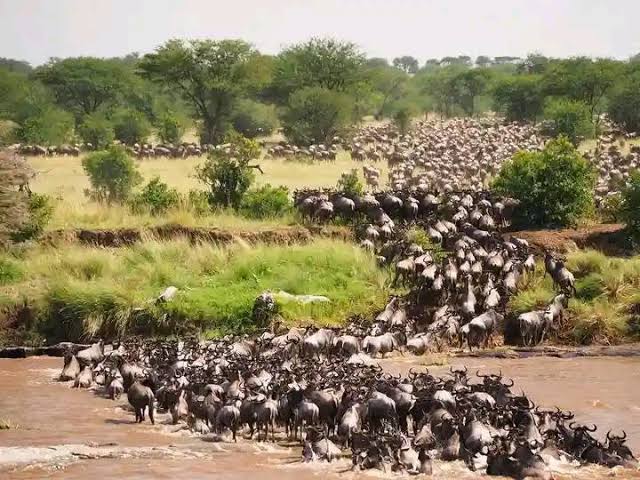
Justice Gacharu noted that among the key concerns raised is the alleged blocking of a wildlife migratory corridor in the Maasai Mara National Reserve.
This corridor is essential for the seasonal movement of wildebeest and other animals between the Maasai Mara in Kenya and the Serengeti National Reserve in Tanzania.
According to the court, such issues cannot be set aside casually because they touch on environmental conservation and the long-term protection of wildlife.
The court further explained that the petition goes beyond the personal interests of the petitioner. It involves wider questions of environmental conservation, sustainable development, and the protection of natural resources for present and future generations.
Because of this, the judge emphasized that the case serves the public interest rather than a private dispute.
“Given the nature of the concerns raised and the level of public interest generated, this Court will not allow the notice of withdrawal,” the judge said.
The attempt to withdraw the case was confirmed by Dapash’s lawyer, who told the court that the application had been made on Wednesday, December 17.
No clear explanation was given for the sudden move to withdraw the petition, although some reports suggested that certain concerns raised by the environmentalist may have been addressed outside the courtroom.
In making the request, the lawyer stated, “The petitioner herein wishes to withdraw the entire suit instituted by way of petition dated 8th August 2025 with orders as to cost.”
In the original petition, Dapash accused the luxury camp of obstructing the wildlife migration corridor linking the Maasai Mara and the Serengeti. He argued that this corridor is vital for wildlife as animals move in search of pasture during the annual wildebeest migration.
The petition also raised questions about whether the camp was established in line with environmental laws and whether all required approvals were properly obtained.
In addition, the environmentalist claimed that the development of the hotel undermined the rights of indigenous communities living around the reserve.
He named several respondents in the case, including the Narok County Government, the National Environment Management Authority, and three other parties.
The hotel attracted public attention last month after videos circulated online showing wildebeest appearing to struggle near the camp. These images led to criticism and concern from members of the public. However, the Kenya Wildlife Service responded by dismissing the videos as misleading.
In a statement issued on Thursday, November 27, KWS said the footage was intended to damage the reputation of some camps operating within the reserve. The agency added that the hotel is located within a designated low-use tourism investment zone as provided for in the Maasai Mara National Reserve management plan.
With the court now insisting on a full hearing, the case is expected to continue as judges examine the environmental, legal, and community issues raised, setting an important precedent on how development and conservation should be balanced in protected areas.














Add Comment