







Concerns inside the Kenya Revenue Authority have grown steadily as more staff members speak out about what they describe as a worsening situation in the Micro and Small Taxpayers Department.
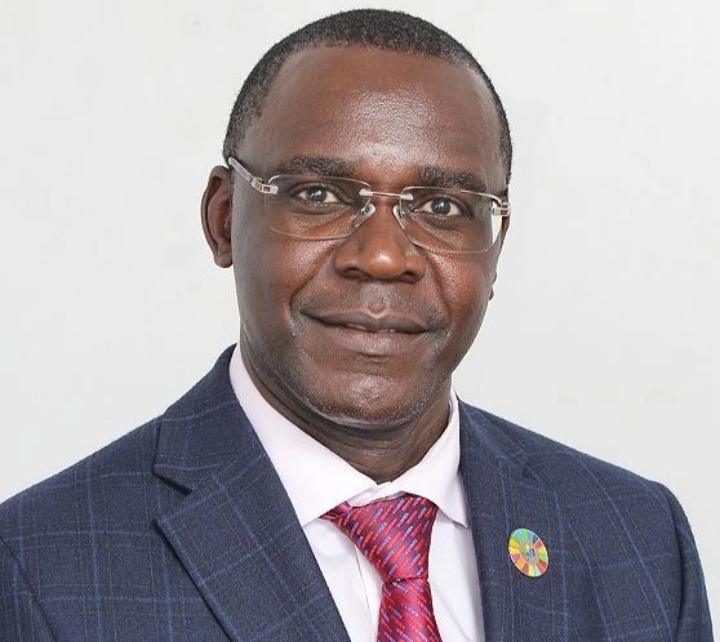
The appointment of George Obell as the Commissioner has raised fresh fear among employees who feel that the environment, already strained by intimidation and pressure, may now become even harder to endure.
Many say the department has been moving in the wrong direction for years, and Obell’s elevation to a higher position has left them feeling exposed and unheard.
According to a message sent to Cyprian Is Nyakundi, the issues go deeper than ordinary workplace disagreements. Staff working in the department describe a system built around personal gain, where officers are pushed to follow instructions that favor a small group at the top rather than the taxpayers they are supposed to serve.
Workers explain that the pressure they face is not about improving tax collection or supporting small businesses to comply with the law. Instead, they claim they are forced to meet unofficial targets that demand cash from small traders in ways that have nothing to do with real tax assessment.
Those who shared information say that these targets are disguised as performance expectations, but the reality is very different. Officers are told to extract money from business owners through audits and assessments that are crafted to scare them.
The aim, according to insiders, is not to encourage compliance but to push taxpayers into giving bribes so that their files can be cleared.
Staff who refuse to participate or fall short of the expected figures risk punishment. Some have been transferred to far-flung areas with little notice, while others have faced disciplinary processes designed to frustrate them until they give in.
The appointment of Obell has added to the anxiety because many see him as someone who has benefited from this system for a long time. Workers say he has been running the department in a way that builds influence and loyalty around him, creating what they describe as a personal empire.
They believe that giving him more authority will only strengthen the practices that have left them demoralized and small business owners burdened.
The feeling among many employees is that their concerns have been ignored, even when evidence of misconduct has been shared with higher offices.
Insiders also say that the small business community suffers the most. Many business owners are already struggling due to the high cost of living and limited financial support.
Facing pressure from officers who are following unofficial instructions makes their situation even worse. Instead of receiving guidance and fair assessments, they find themselves dealing with demands that drain their limited resources. Some pay because they are afraid of losing their business, while others pay because the process to challenge unfair treatment is too long and too complicated.
The whistleblower message shared to Nyakundi paints a picture of employees who are tired and afraid but still hoping that exposing the situation will prompt action. They say morale is at its lowest, and many wonder how long they can continue working in such conditions.
Their main request is for the public to understand what is happening inside the department so that pressure can build for proper oversight and reform.












Add Comment