

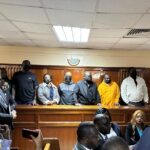






Kenya’s long-running controversy over the death of British tourist Julie Ward has taken a darker turn after fresh details confirmed that the government quietly paid her family Ksh120 million in an effort to silence their push for justice.
The money was allegedly offered to make Julie’s father abandon his campaign to uncover the truth behind her killing, a case that has raised serious questions about state interference for decades.
The payment was made secretly and handled outside normal public procedures, suggesting a deliberate attempt to keep the deal away from scrutiny.
People aware of the arrangement say it was designed to cool down international pressure and weaken the family’s determination to expose those believed to be responsible.
Instead of bringing closure, the move has revived old accusations of cover-ups and intimidation linked to powerful individuals.
Julie Ward’s father spent years travelling between Kenya and the United Kingdom demanding answers, often facing frustration and resistance from officials. He repeatedly claimed that the investigations were manipulated and that key evidence was either ignored or mishandled.
The new revelations support concerns that the system worked against him rather than with him, making his search for justice far more difficult than it should have been.
Reports from both countries show that the case was marked by contradictions, strange investigative gaps, and allegations that officers were discouraged from pursuing certain leads.
Witnesses described an atmosphere where speaking openly carried risks, and some investigators privately expressed fear of stepping on the wrong toes.
These patterns created the impression of a coordinated effort to control the narrative and shield influential figures from accountability.
The secret payout now appears to fit into that broader pattern. Instead of allowing the truth to be uncovered through open investigations, the state opted for a silent settlement that kept critical questions unanswered.
It suggests that closing the case mattered more than resolving it properly, leaving behind a sense that justice was traded away rather than delivered.
This renewed attention forces the country to confront a painful chapter that many hoped would fade with time. It highlights the cost of allowing powerful interests to shape the outcome of sensitive cases and reminds the public that hidden decisions eventually return to the spotlight.
For the Ward family, the revelations confirm what they long suspected, and for Kenya, the issue serves as another warning about the dangers of burying the truth instead of facing it directly.
The case remains a symbol of how silence can be bought and how truth can be delayed, but not erased.














Add Comment