





Kenya is facing a serious financial crisis after a new public audit revealed that KSh 300 billion raised through government bonds between 2017 and 2023 cannot be traced.
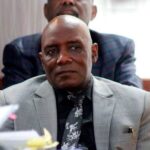
Busia Senator Okiya Omtatah has demanded urgent answers from the Auditor General following this shocking discovery.
The audit shows a worrying gap in accountability, raising deep concerns about transparency within the National Treasury and the Central Bank of Kenya.
Many citizens are left wondering how such a huge amount of money, meant to support development projects across the country, could simply disappear without explanation.
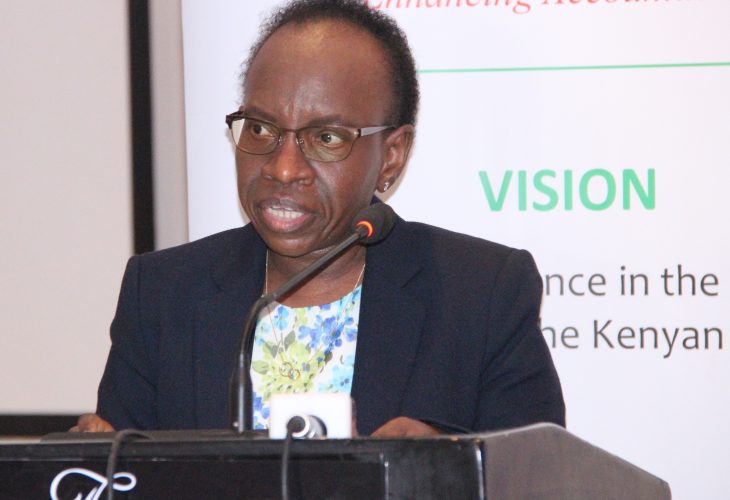
According to Auditor General Nancy Gathungu, the National Treasury collected KSh 2.97 trillion from domestic borrowing during the six-year period.
However, financial records show that only KSh 2.67 trillion was deposited into the Consolidated Fund.
This leaves an unexplained difference of KSh 300 billion. Senator Omtatah said the figures point to a serious accountability crisis and insisted that money does not disappear on its own.
He stated that those responsible must be held personally liable. For many Kenyans, the missing funds are not just statistics—they represent schools, roads, hospitals, and other crucial projects that could have improved lives.
The report has raised important questions about how bond proceeds, borrowed on behalf of the public, were handled.
A large part of the money that was traced was used to pay domestic debt instead of supporting development initiatives.
Omtatah argued that Kenya’s public finance laws are clear about transparency and accountability.
He reminded the government that the Constitution, especially Article 201 and 206, requires full disclosure of all financial activities.
According to the Senator, the unaccounted KSh 300 billion may point to deep, systemic mismanagement within both the Treasury and the Central Bank.
The Auditor General’s findings also expose weaknesses in oversight and tracking of public funds.
Despite reviewing the records, her office could not reconcile the entire amount collected through government bonds.
This failure raises concerns about whether Kenya has effective systems for monitoring billions of shillings borrowed from citizens and investors.
Omtatah warned that if the Auditor General cannot trace such a large sum of money, public trust in key institutions will weaken even further.
The Senator has vowed to push the matter in Parliament, in court, and in the public arena until full answers are provided. He stressed that Kenya is not a private company and that every public officer must respect the Constitution when handling taxpayer funds.
He also called for personal accountability for anyone involved in mismanaging public resources. His strong stance suggests that pressure on the National Treasury and the Central Bank will continue to rise.
The audit report, combined with Omtatah’s warnings, marks a critical moment for Kenya’s financial governance.
With public debt already weighing heavily on families and businesses, Kenyans are demanding more transparency than ever before. Many are now waiting to see whether the institutions responsible will address the crisis or allow billions of shillings to remain unaccounted for.











Add Comment