






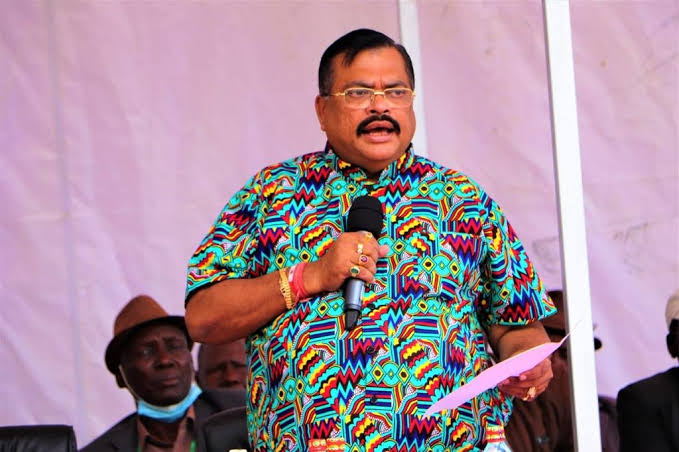

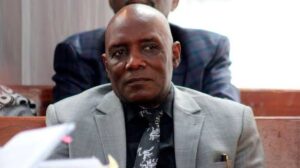
The decline surrounding former Kesses MP Dr Swarup Mishra has grown more visible as major Mediheal properties in Eldoret move toward auction.
What was once a strong healthcare business is now facing serious financial pressure, with lenders pushing to recover their money after a long period of strained repayments.
The situation shows how quickly a large business can fall when debts pile up and legal issues keep growing. For Mishra, who was previously seen as a successful medical investor, this moment marks one of the most difficult chapters of his public and professional life.
The decision to list six Mediheal properties for auction on December 10, 2025 is a major sign that lenders have decided not to wait any longer.
These properties form a big part of the Mediheal empire, including land, hospital buildings, and private residences. Once these assets are sold, it will be hard for Mishra to rebuild what he has lost.
His financial problems have been building for over a year, with earlier attempts by lenders to seize properties he is said to have used as collateral for large loans.
Although High Court Judge Reuben Nyakundi briefly stopped an earlier auction attempt, the current notice shows that the dispute has entered a more serious stage.
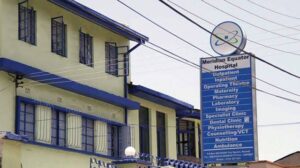
The latest auction list includes commercial buildings used by Mediheal Hospital and Fertility Centre Ltd and several important parcels of land. One of the main properties sits on 0.5336 hectares and contains buildings still being used by the hospital.
Another includes a five-storey block with a double-storey pharmacy and laboratory, defining the main face of the Mediheal brand in Eldoret.
Also included is a 0.6500-hectare residential maisonette registered under Mishra and his wife Pallavi, as well as a 1.249-hectare plot in Kipkorgot and a 3.91-hectare farm in Mogobich. More land in Pioneer and Ngeria adds to the long list of what he stands to lose.
People familiar with Mediheal’s operations say the financial strain grew worse because of unpaid bills, including Sh51 million said to be owed by the defunct NHIF. This affected cash flow at a time when the hospital chain was already facing pressure.
The financial issues have been made heavier by the separate controversy involving allegations of illegal organ trafficking at Mediheal facilities.
An 18-member taskforce appointed by Health Cabinet Secretary Aden Duale looked into these claims and reported worrying signs of irregularities in kidney transplants. They recommended deeper investigations involving four senior officials connected to the procedures.
These allegations have affected the public image of Mediheal, especially because organ trafficking is a sensitive issue in Kenya and worldwide.
Selling organs is illegal, and hospitals regularly warn the public about people offering kidneys for money. International organisations, including the United Nations and the World Health Organization, have also raised concerns about illegal organ markets targeting vulnerable groups.
Kenya has tried to create stronger systems by setting up the National Blood Transfusion Services and Human Organs Transplantation Unit in 2019.
According to its director, Dr Nduku Kilonzo, the country is still working on improving safety in transplant processes, though cases like the Mediheal scandal remain a setback.
Through all this, Dr Mishra maintains that he is innocent and ready to face the law. He has defended Mediheal’s record, saying they have done 476 kidney transplants since 2018 with a mortality rate below 10 percent. He also argues that their prices are lower than those charged in many international hospitals.
However, these statements have not stopped the financial pressure that continues to build around him. With the auction date approaching, Mishra faces the real possibility of losing key buildings, land, and medical facilities that formed the foundation of his business.
If the sale goes forward, it could mark the complete collapse of an empire he spent many years building.








Add Comment