






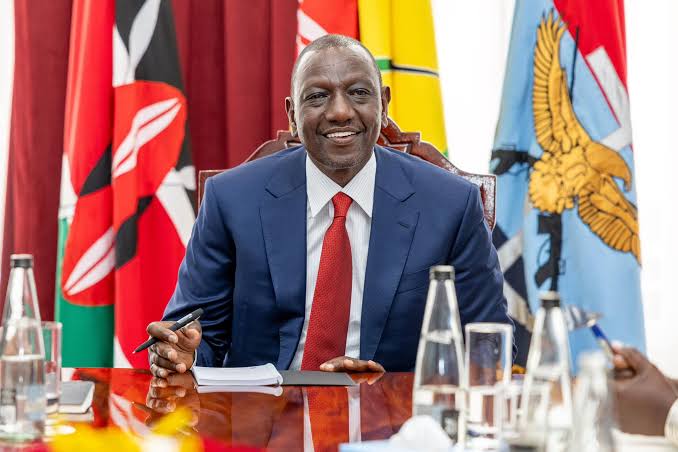

Kenyans are set to experience stricter regulation of online activity following the signing of the Computer Misuse and Cybercrimes (Amendment) Bill, 2024 into law by President William Ruto.
The new law, which was assented on October 15, 2025, the same day former Prime Minister Raila Odinga died, introduces wide-ranging powers for the government and courts to take down digital content considered illegal.
This includes content related to child pornography, terrorism, and extreme religious or cultic practices.
The law gives investigators and courts the authority to act before harm is done by allowing them to apply for pre-emptive shutdowns of websites or platforms suspected of facilitating illegal activities.
This means the state can now request court orders to block or delete harmful material before it spreads. Section 46A of the amendment strengthens the power of investigators by granting them authority to request deletion of specific content from websites, social media platforms, or digital devices and to shut down any platform used for criminal activity.
The law defines computer misuse as the unauthorised use or alteration of data or systems, while cybercrime includes offences committed through technology to attack or misuse networks, systems, or data.
It also broadens the scope of identity theft to include the misuse of passwords, impersonation, phishing, and data harvesting.
Anyone found guilty of unlawfully taking control of another person’s SIM card with intent to commit a crime could face up to two years in prison, a fine not exceeding KSh 200,000, or both.
A computer system, according to the law, refers to any physical or virtual device that performs data processing or communication functions, including mobile phones and computers.
The law was passed by Parliament with several amendments proposed by the Departmental Committee on Information, Communication, and Innovation chaired by Dagoretti South MP John Kiarie.
Kiarie defended the bill, explaining that Kenya faces growing cyber threats such as phishing, which has become increasingly common. He said phishing scams often use fake links to steal personal details, money, and sensitive information. He added that with Kenyans spending over four hours online daily, it was important to introduce measures that protect against fake news, cyberbullying, and AI-generated misinformation.
He stated that the bill was meant to strengthen digital safety laws and curb rising cases of online harm.
Dagoretti North MP Beatrice Elachi said the law would help Kenya meet international expectations, particularly from the European Union, which has faulted the country for not addressing online child abuse adequately.
She warned that young Kenyans seeking opportunities abroad could face difficulties if their online behavior is linked to harmful or inappropriate content.
Funyula MP Wilberforce Oundo, however, expressed concern over the law’s inclusion of terrorism in regulating online spaces. He argued that this could be misused to target citizens unfairly, especially those posting about protests or political issues.
He warned that while the intention seemed good, the law could have far-reaching consequences that limit freedom of expression.
Tigania West MP John Mutunga said the new regulations would protect public officials and citizens from defamation and online harassment, emphasizing that many leaders had suffered personal attacks on social media.
Eldas MP Adan Keynan supported the bill, describing it as a safeguard meant to protect national security and social values rather than restrict expression. He urged the public, especially young people, to comply with the law and see it as guidance for responsible digital behavior.
Alongside this cybercrime amendment, President Ruto also signed several other bills into law, including the Privatisation Bill, the Wildlife Conservation and Management (Amendment) Bill, the National Police Service Commission (Amendment) Bill, and the Virtual Asset Service Providers Bill.
These legislative developments mark a broader government effort to tighten legal frameworks around governance, digital conduct, and public accountability.














Add Comment