






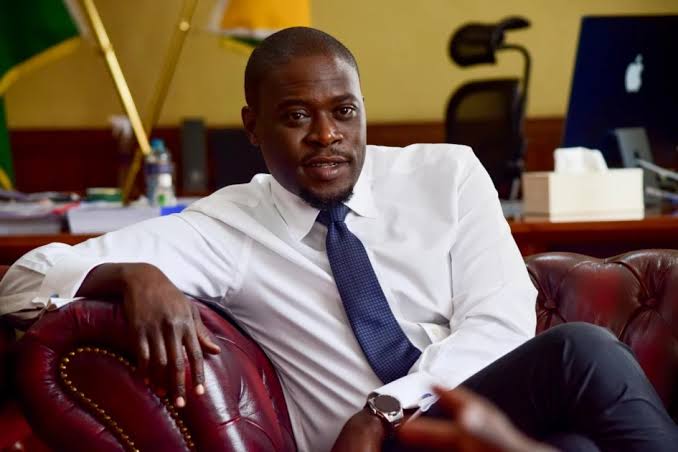

Nairobi Governor Johnson Sakaja is facing fresh heat from senators who accuse him of running away from accountability and failing to deliver on key education projects in the capital.
His leadership is once again under the microscope, with critics arguing that he has perfected the art of dodging oversight while leaning on political protection to stay afloat.
The latest controversy has left him cornered as questions over transparency and budget use in Early Childhood Development Education centres and vocational training facilities refuse to fade.
Senators expected Sakaja to appear before the Senate Standing Committee on Education to explain the state of ECDE and Technical and Vocational Education and Training centres in Nairobi.
He was supposed to give details on progress, challenges, and the billions allocated to the projects.
At the last minute, however, he failed to turn up, a move that immediately drew sharp criticism. Nominated Senator Margaret Kamar described the conduct as unacceptable and disrespectful, while Machakos Senator Agnes Kavindu pushed for tougher penalties on governors who ignore summons.
Other lawmakers accused him of openly defying Parliament, insisting that his actions must attract legal consequences.
The Senate Committee has already cited constitutional provisions that compel public officials to appear when summoned.
Laikipia Senator Joseph Kinyua reminded Sakaja that the law gives Parliament full authority to demand accountability from county bosses.
By cancelling sessions repeatedly, the governor has created the impression that he does not take oversight seriously. This is not the first time he has walked down that path.
In April 2024, he also skipped a Senate session before the Energy Committee, earning a Ksh500,000 fine. Calls for his arrest circulated then, but political interventions spared him from harsher action. That incident, combined with the current standoff, paints a picture of a leader who treats Senate invitations casually while relying on political networks to bail him out.
Sakaja has been linked to both Raila Odinga and President William Ruto, who reportedly pushed Nairobi MCAs to drop an earlier impeachment motion against him.
The alliances have fueled suspicions that he is insulated from accountability by powerful figures. However, senators and the public now appear less willing to accept excuses.
Stalled projects, questionable contracts, and underfunded TVET centres continue to raise alarm, leaving many Nairobi residents wondering how public funds are actually being used.
The governor’s repeated absences deny Nairobians the chance to get clear answers about education services in the city. Many ECDE centres lack proper classrooms, learning materials, and trained staff, while vocational institutions are struggling despite budget allocations.
Senators argue that if Sakaja cannot explain the situation, then his leadership has failed the people who trusted him. The pressure is now building, and the Senate has promised not to tolerate further defiance.
For Sakaja, the political storm is tightening. His survival may no longer depend solely on the goodwill of Raila or Ruto. If he cannot demonstrate proper management of funds and deliver results, he risks losing both Senate patience and public support.
Nairobians are watching closely, and this time, the governor may find that political protection is not enough to save him from the consequences of poor leadership.










Add Comment