




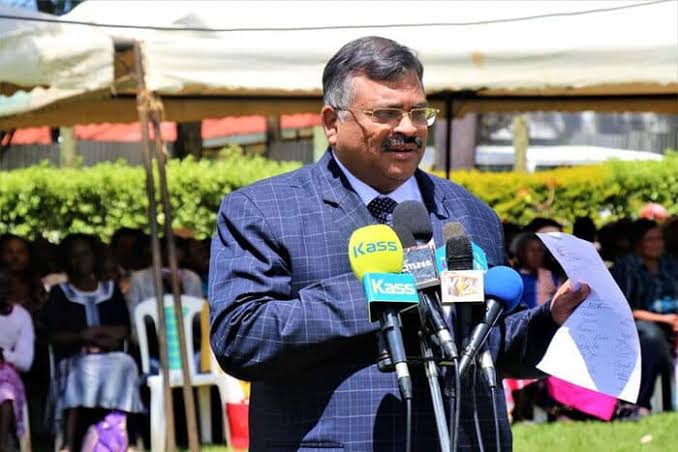

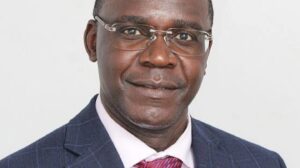
Swarup Mishra, the owner of Mediheal Group of Hospitals and former Kesses MP, has strongly denied claims that his hospital was involved in organ trafficking.
Speaking during a press briefing on Tuesday, Mishra defended his hospital’s practices and said that all organ transplant procedures done at Mediheal were carried out within the existing health guidelines in Kenya.
He explained that the hospital had conducted 476 transplant surgeries, which he described as successful and with minimal complications.
According to him, even though there is no formal law governing organ transplantation in Kenya, Mediheal had followed every regulation available and had never broken the law.
Mishra said the hospital had not engaged in the illegal act of taking money from recipients while paying donors, which is a key definition of organ trafficking.
He added that instead of finding faults, the government committee investigating the matter should have focused on establishing facts.
He firmly stated that no foreigner received a kidney from a Kenyan donor.
He insisted that all foreign patients brought their own donors from their countries and that Mediheal simply carried out the procedures after verifying documents.
He also said that if he or his hospital had done anything wrong, they should be punished, but if they are innocent, then they deserve justice.
Mishra’s lawyers, Katwa Kigen and Peter Moritet, expressed dissatisfaction with how the Health Committee carried out the probe. They said the committee already had a fixed mindset and ignored facts.
According to the lawyers, no patient who underwent a transplant was contacted by the investigators, which they found unfair.
The lawyers also accused the committee of acting with malice, relying on rumors instead of facts. They said the hospital had submitted all necessary materials, including affidavits for both donors and recipients.
Kigen mentioned that they had given the committee 952 affidavits 476 from donors and 476 from recipients and dared the committee to show which documents were missing.
He dismissed any suggestion that documents were not supplied and blamed poor handling of data by the committee. He also said they had not been given the full report and were only responding based on what was reported in the media.
This comes after a damning 314-page report from the Independent Investigative Committee on Tissue and Organ Transplant Services was presented to Health Cabinet Secretary Aden Duale.
The report revealed alleged links between Mediheal and an international illegal organ trade network. The investigation covered three months and looked into data involving 452 donors and 447 recipients across various hospitals.
The report claimed that Mediheal Eldoret was responsible for 81% of all donors and 76% of recipients, a statistic that raised concerns.
The data also showed that between 2018 and March 2025, Mediheal Eldoret had handled 417 donors and 340 recipients.
It was also found that most of the patients were men, and 38.94% of recipients had unknown residence status, suggesting there might be issues in how patient records were maintained.
With 44% listed as residents and 16% as non-Kenyans, the remaining percentage raised questions about documentation practices.As it stands, Mishra and his legal team continue to fight back against the accusations, demanding a fair process and insisting that the hospital’s name should not be ruined without solid evidence.
The Health Ministry is expected to respond soon with further steps based on the committee’s findings.








Add Comment