






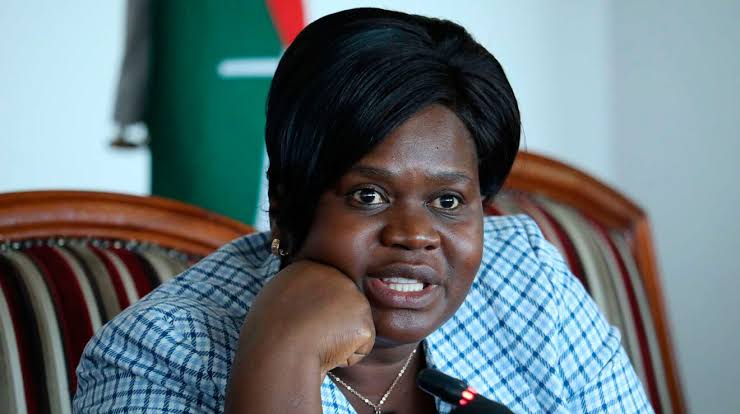

The events in Mawego have left Governor Gladys Wanga badly exposed. As a leader of Homa Bay County, she had a responsibility to act firmly and fairly in the face of public anger over the death of Albert Ojwang.
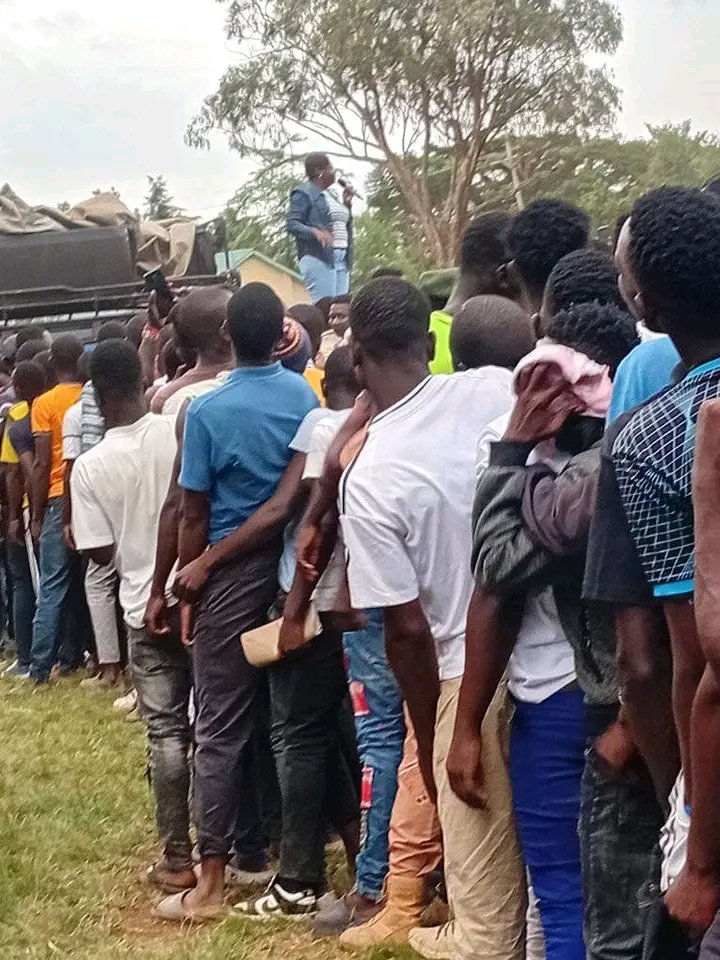
Instead, she chose to take the low road showing up at Mawego Polytechnic with 500-shilling handouts, thinking a few coins could buy off the pain and silence of grieving youths.
It was a move that not only insulted the community’s intelligence but also proved just how disconnected Wanga has become from the very people she is supposed to represent.
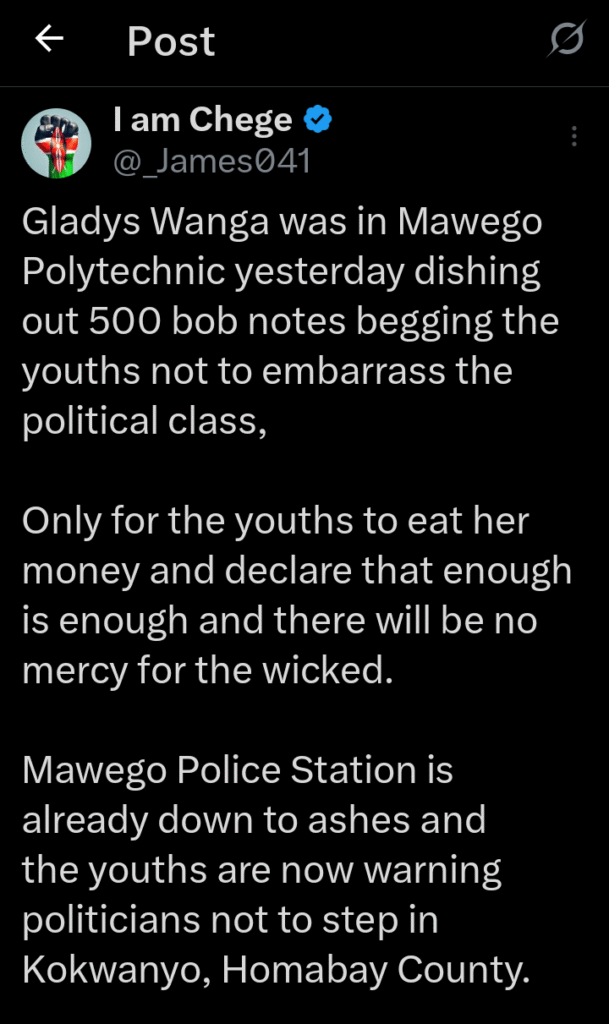
Rather than calming the situation, her attempt to bribe the youths only fueled more anger. The young people accepted her money, but they refused to be silenced.
They proceeded with the protests, chanting that enough is enough and warning all politicians not to enter Kokwanyo. That warning was not just a rejection of Wanga’s gesture it was a loud message that the youth are tired of leaders who show up only in moments of crisis, empty-handed except for token cash meant to distract them from the real issues.
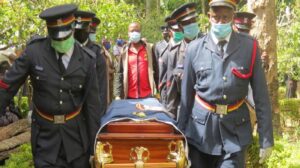
Wanga’s presence at the burial of Ojwang, along with other politicians, did not bring comfort. Instead, it highlighted the hypocrisy of a leadership that fails to protect its own citizens and only shows concern when public pressure is too strong to ignore.
The torching of the Mawego Police Station was not an accident. It was a direct result of anger that had been building up anger over Ojwang’s death in custody, anger over years of being ignored, and anger over the political class pretending to care while doing nothing meaningful.
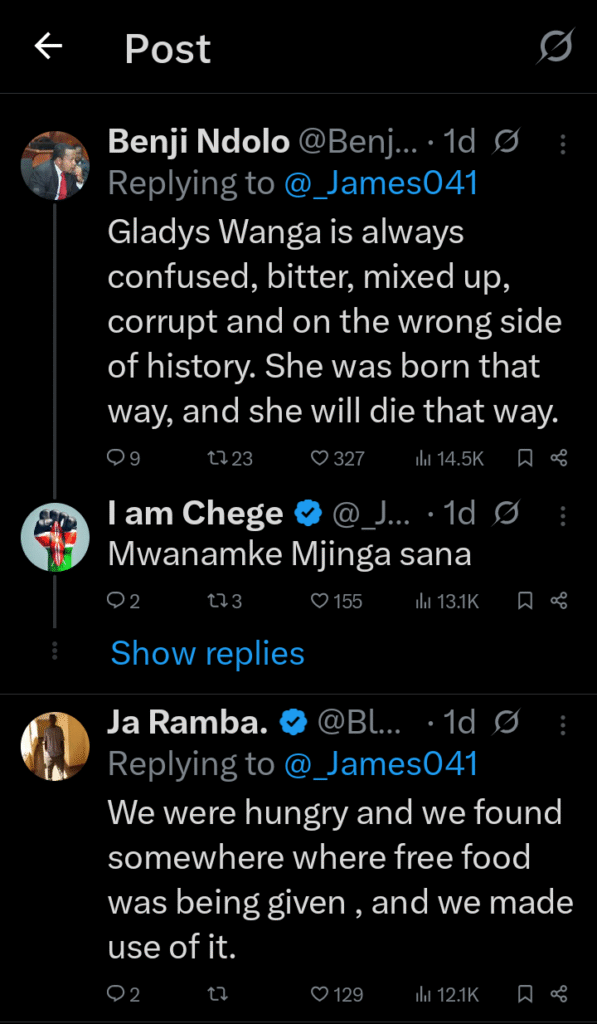
This crisis is not just about one incident. It reflects a bigger problem facing Wanga and many other leaders in Kenya. The youth no longer want empty speeches or symbolic visits. They want justice. They want accountability.
They want leaders who listen and act, not those who show up with handouts when things go wrong. Wanga failed to read the mood of the people. She thought she could control the narrative by buying silence, but instead, she became part of the problem.
If Wanga had taken a strong stand against police brutality from the beginning, if she had stood with the people when Ojwang died in custody, perhaps the people would have trusted her.
But her silence and late response only confirm what many already suspect she is more concerned with protecting the political class than standing up for justice.
The youths saw through her gesture. They were not fooled. This is a wake-up call for Wanga. Her leadership is on trial, not in a court of law but in the court of public opinion.
And right now, she is failing. The warning from the youths of Mawego and Kokwanyo was not an isolated incident. It is a reflection of a growing wave across Kenya, where citizens are no longer afraid to speak up or to act.
The old tactics of throwing money at problems are no longer working. If Gladys Wanga continues to treat serious matters like political PR opportunities, she risks losing the very people who once believed in her.
The youth have made it clear they want leaders who will fight for them, not those who show up with coins when the damage is already done.












Add Comment